Driver Safety Tips While Loading or Unloading a Commercial Vehicle
Driver Safety Tips While Loading or Unloading a Commercial Vehicle
Most drivers think about safety while driving—but a surprising number of injuries happen while loading or unloading a commercial vehicle. Whether you're handling freight yourself or working alongside warehouse staff, being alert and using the right techniques can prevent serious accidents. Here’s a safety guide to keep you protected on the dock, in the yard, or anywhere freight is moving.
If You’re Loading or Unloading
Depending on your job, you may be using equipment like hand pallet jacks, powered pallet jacks, or forklifts.
Powered pallet jacks and forklifts require certification — OSHA regulations require you to complete approved training before operating either. If you’re not certified—don’t touch it.
Hand pallet jacks don’t require certification, but they still require skill:
- Make sure the load is balanced and secure.
- Slide the forks fully under the pallet before lifting.
- Push rather than pull when possible—push forces reduce strain and offer better control.
- Keep your path clear and move slowly around blind corners.
Wear proper PPE (Personal Protective Equipment) — Safety shoes, gloves with grip, and visibility vests can prevent common loading-area injuries.
If Someone Else Is Loading Your Truck
Even when you’re not the one operating the equipment, the loading zone can be dangerous. Stay alert and follow these best practices:
- Keep your distance from forklifts, pallet jacks, and cranes — Never enter the machine’s operating zone unless the operator waves you in.
- Maintain eye contact with equipment operators when giving guidance — If they can’t see you, stop and reposition. Forklifts have significant blind spots and move quickly.
- Never assume the operator knows where you are — Stay visible and avoid standing behind or beside moving equipment.
- With flatbeds and cranes, stay far from suspended loads — Never stand under or near a lifted pallet or cargo bundle—crane loads can shift unexpectedly.
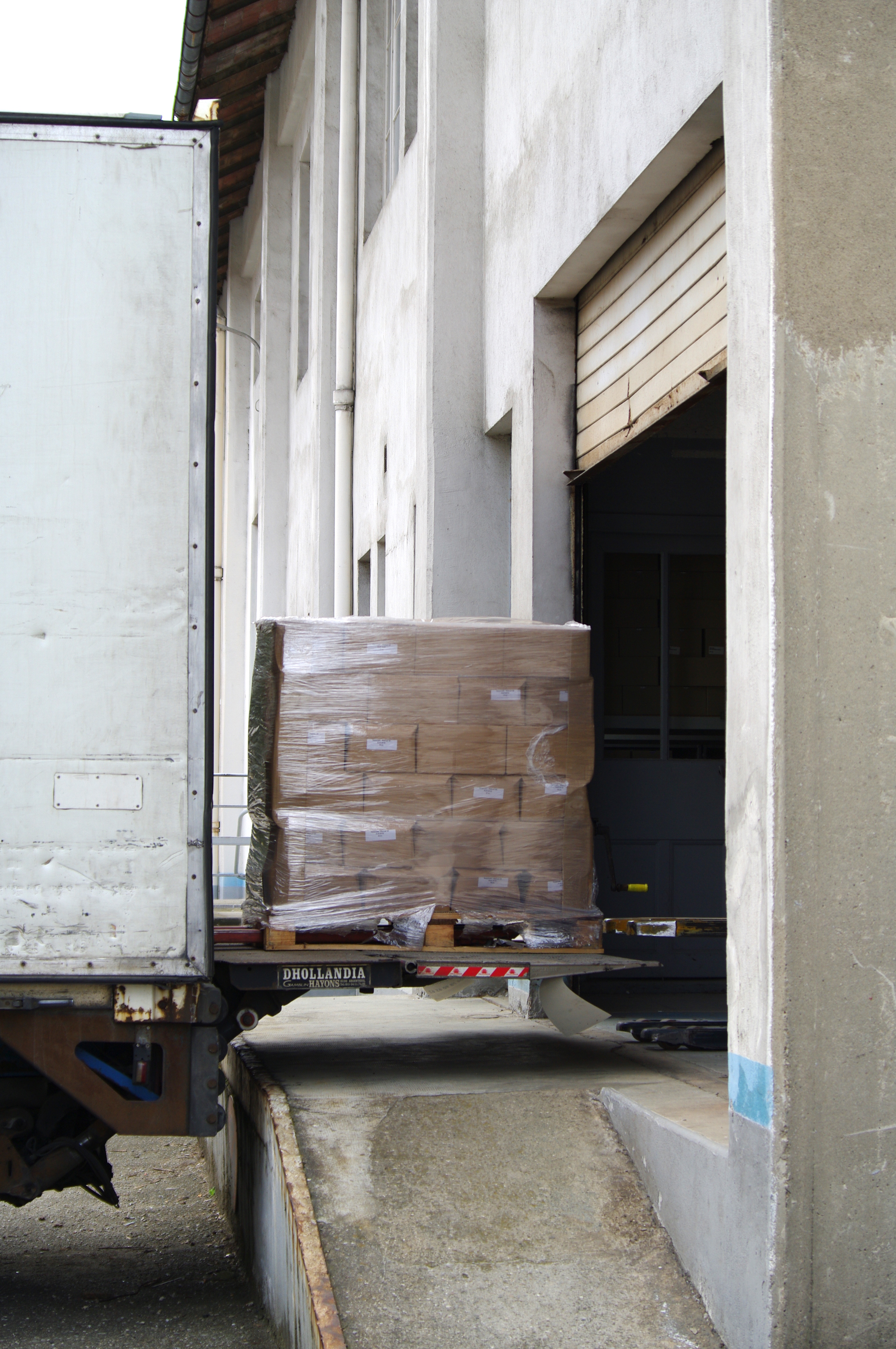
- Secure your truck before loading begins — Use wheel chocks, set your brakes, and verify your trailer is properly positioned at the dock or loading area.
- Check your load before hitting the road — Confirm weight distribution, securement points, and that everything is properly tied down or locked in place. This protects not just you—but everyone who shares the road with you.
Stay Safe. Stay Skilled. Stay in Control.
Loading zones can be chaotic. A few seconds of awareness and the right training can prevent injuries and equipment damage.
At CDL Direct, we’re dedicated to helping drivers build safe, successful careers. Our online ELDT course gives you everything you need to earn your Commercial Learner’s Permit, plus real-world safety practices—both behind the wheel and on the loading dock.
If you’re ready to start your CDL journey or want practical safety guidance you can use every day, visit CDLDirect.com and get rolling with confidence.