CDL Direct Blog
Blog posts of '2026' 'January'

5 Tips to Combat Loneliness as a Commercial Driver
Earning your CDL is a huge win—but life on the road, especially OTR, can sometimes feel isolating. Long hours alone in the cab can affect your mood, focus, and even safety. The good news? There are proven ways many CDL drivers have found help them combat loneliness. Here are five practical tips coming from fellow CDL drivers to help you stay connected, motivated, and mentally strong:
1. Make an Effort to Stay Connected — Human connection matters more than ever.
- Use hands-free Bluetooth headsets to safely call family, friends, or other drivers you’ve met on the road.
- Stay active on platforms like Discord, TikTok, or trucking forums to share experiences and connect with people who understand the lifestyle.
- Share your route or location with loved ones so you still feel part of each other’s day.
- Small interactions count—sit at counters instead of booths, say hello at truck stops, or visit friends when routes allow.
- Many drivers also find reflection and prayer helpful.
2. Keep Your Mind Engaged With a Hobby — Mental stimulation helps combat isolation and fatigue.
- Podcasts and audiobooks can feel like conversation and are linked to reduced feelings of loneliness.
- During breaks or downtime, try learning a language, playing an instrument, reading, writing, or gaming.
- Explore local spots— coffee shops, parks, shops, or live events—when schedules allow. Make it fun!
3. Consider a Road Companion — You don’t always have to travel solo.
- Many drivers bring pets for companionship—dogs, cats, or small animals—just be realistic about the responsibility involved. For example, dogs may want walks at inopportune times.
- Some companies allow team driving or training roles, giving you a built-in partner and shared workload.
4. Set Short-Term and Long-Term Goals — Goals give meaning to the miles.
- Long-term goals might include buying a home, paying off debt, taking a major trip, or transitioning to local driving.
- Short-term goals—like daily mileage targets or skill improvements—create small wins that keep motivation high.
Having something to work toward makes time on the road feel purposeful, not lonely.
5. Protect Your Mental Health — Your mental health is just as important as your physical safety.
- At every opportunity, do something kind for others. It'll put a smile on both your faces.
- Stick to a routine when possible—sleep, healthy meals, and movement help regulate mood.
- Exercise is proven to reduce stress and anxiety; many drivers use nationwide gym memberships to stay active and socialize.
- Choose employers who prioritize driver well-being, communication, and reasonable schedules.
- Stay positive. Reach out for support when needed—from loved ones or professionals.
Knowing your limits is a strength. If you decide the OTR life is not for you, remember that many drivers like yourself have found that local and regional CDL jobs can still pay well and offer more home time. Following these tips can help you remember: You're not alone on the road!
At CDL Direct, we help future drivers prepare for the real trucking lifestyle—not just the test. Our online Entry Level Driver Training (ELDT) sets you up for success with knowledge, confidence, and career flexibility.

January Is National Human Trafficking Awareness Month — Why Commercial Drivers Are Critical to the Fight
Each January, National Human Trafficking Awareness Month invites all Americans to learn about a crime that often goes unseen yet affects millions of lives. For commercial drivers — long-haul truckers, delivery professionals, bus drivers, and others operating commercial vehicles—this awareness is especially valuable. Because traffickers rely on transportation systems and road networks to move and exploit victims, drivers are uniquely positioned to notice clues that others might miss. Recognizing these signs and knowing how to respond can help save lives.
The Scope of Human Trafficking
Human trafficking is a form of modern slavery in which people are forced, coerced, or deceived into labor or commercial sex exploitation. It affects men, women, and children around the world. In the United States, the National Human Trafficking Hotline identified 11,999 potential trafficking cases involving nearly 21,865 potential victims in 2024, based on calls, texts, and online reports.
Why Commercial Drivers Matter
Commercial drivers spend long hours on the road, stopping at truck stops, weigh stations, rest areas, terminals, and distribution hubs—locations where traffickers sometimes recruit, house, or move victims. The Federal Motor Carrier Safety Administration (FMCSA) explicitly recognizes that commercial motor vehicle (CMV) professionals “are on the front lines in the fight against human trafficking.”
Signs to Watch For on the Road
No single sign means someone is being trafficked, but combinations of indicators may justify reporting to trained responders:
- Restricted freedom: Individuals who seem unable to speak for themselves or are always accompanied by someone controlling the interaction.
- Unusual behavior patterns: Frequent short stays at truck stops or rest areas late at night, or groups arriving together under unclear circumstances.
- Signs of control: People who appear fearful, anxious, withdrawn, or closely monitored by a companion.
- Living or Holding Situations: Vehicles or encampments near highways or parking areas with people who seem isolated or not ordinarily present.
What Commercial Drivers Should Do
If you suspect human trafficking, do not intervene directly. Safety for you and the victim is paramount.
- Call 911 if someone is in immediate danger.
- Contact the National Human Trafficking Hotline for non-emergencies at 1-888-373-7888 or text HELP or INFO to 233733. Trained advocates can help assess the situation, offer guidance, and — if appropriate — relay information to law enforcement.
When making a report, noting details like vehicle descriptions, license plate numbers, times, and locations can be very useful to responders.
At CDL Direct, we help you turn your CDL into a real career. Our online Entry Level Driver Training (ELDT) prepares you to meet federal requirements, build real-world knowledge, and move quickly into the job market.
How Can You Use Your CDL?
When most people think of a CDL, they picture long-haul trucks rolling down the interstate. However, a Commercial Driver’s License opens the door to far more than over-the-road trucking. Whether you want steady home time, great pay, flexibility, or a long-term career path beyond driving, a CDL gives you options. Let’s break down the many ways you can put your CDL to work.
CDL License Types & What They Unlock:
Class A CDL — The Most Versatile Option
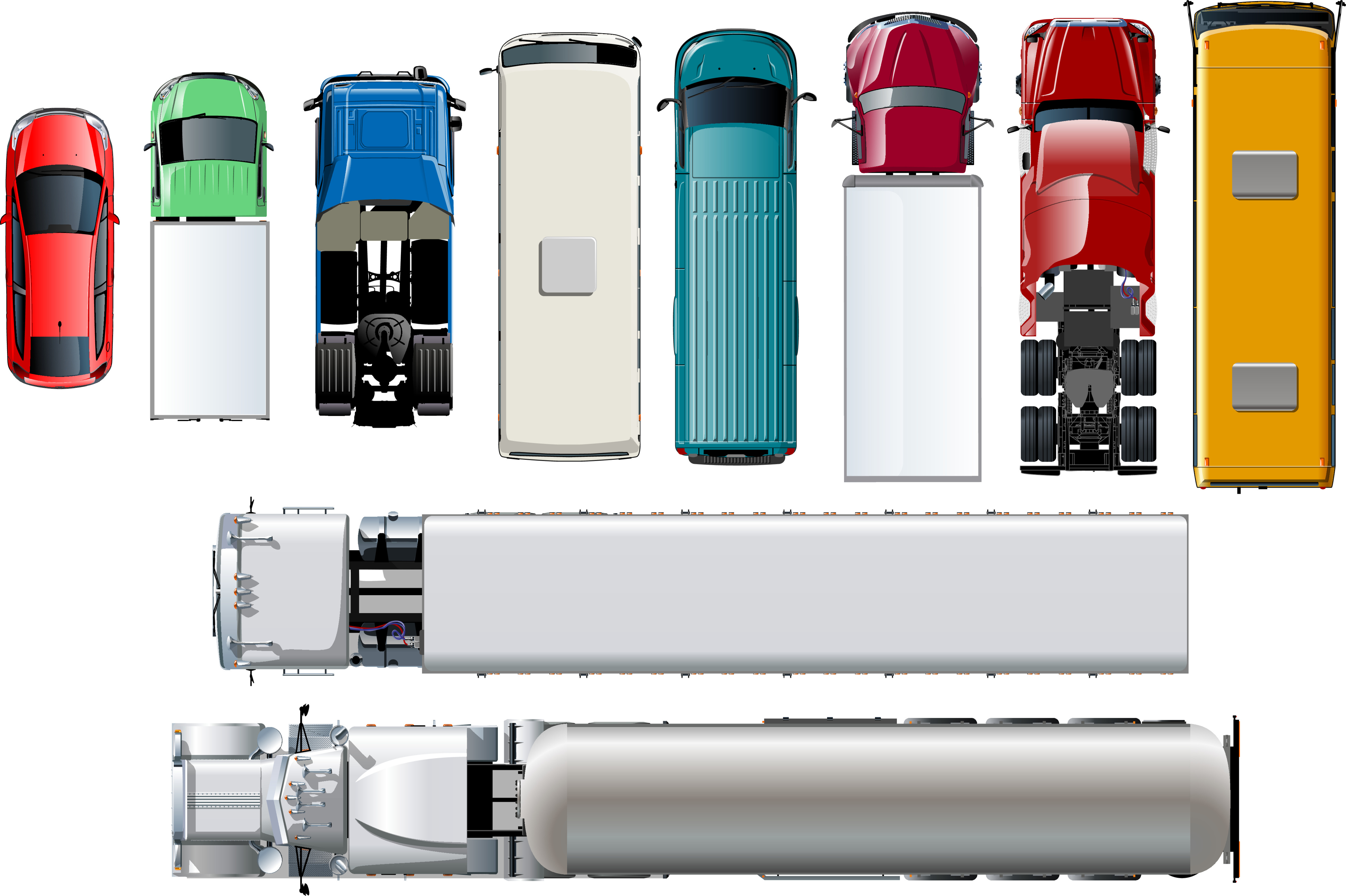
A Class A CDL allows you to operate combination vehicles with a GVWR of 26,001+ lbs where the towed unit exceeds 10,000 lbs. With the right endorsements, this license gives you access to the widest range of jobs in the industry. You can haul: dry van trailers, refrigerated (reefer) trailers; flatbeds (steel, lumber, equipment); tankers (fuel, chemicals, food-grade liquids); livestock trailers; double & triple trailers.
Why Class A matters: With a Class A CDL, you’re also legally allowed to operate most Class B and Class C vehicles—giving you maximum flexibility and job security.
Class B CDL — Great Pay, More Home Time
A Class B CDL covers single vehicles with a GVWR of 26,001+ lbs, towing less than 10,000 lbs. Common Class B jobs include: school bus drivers; city, tour, and shuttle buses; straight trucks; dump trucks; concrete mixers; box trucks and refrigerated delivery trucks.
Many Class B drivers enjoy local routes, predictable schedules, and being home daily.
Class C CDL — Specialized Driving
A Class C CDL is required for: vehicles designed to carry 16+ passengers, including the driver; vehicles transporting placarded hazardous materials, and smaller commercial vehicles under 26,001 lbs GVWR. Class C CDL jobs include: passenger vans; small hazmat trucks; utility and service vehicles towing small trailers.
Career Paths You Can Take With a CDL
Driving Roles:
- OTR (Over-the-Road) Driver – Travel nationwide; higher earning potential, longer time away
- Dedicated Routes – Consistent lanes, predictable schedules, and can be owner-operated
- Local Delivery Driver – Grocery, paint, gas, beverage, or utility companies
- Garbage Truck Driver
- Tow Truck / Wrecker Operator
- Car Hauler
- Yard Mule / Spotter Driver
- Hydrovac Operator
- Intermodal / Railroad Driver
- Construction & Industrial Jobs – Heavy equipment operator, dump truck, concrete truck, crane and roofing supply, lumber and flatbed hauling drivers
Some positions require endorsements like Hazmat (H), Tanker (N), Doubles/Triples (T), or Passenger (P)—all of which increase earning potential.
Leadership or specialized roles to use your CDL without driving full-time:
- Dispatcher
- Terminal or fleet manager
- Safety supervisor
- Recruiter
- CDL instructor or trainer
- Diesel mechanic (many earn more with a CDL)
A CDL shows employers you understand regulations, equipment, and real-world logistics—skills that transfer beyond the driver’s seat. No matter where you want your career to go—on the road or beyond it—a CDL gives you the power to choose.
At CDL Direct, we help you turn your CDL into a real career. Our online Entry Level Driver Training (ELDT) prepares you to meet federal requirements, build real-world knowledge, and move quickly into the job market.
5 Tips for Commercial Drivers to Avoid Overhead Obstacles
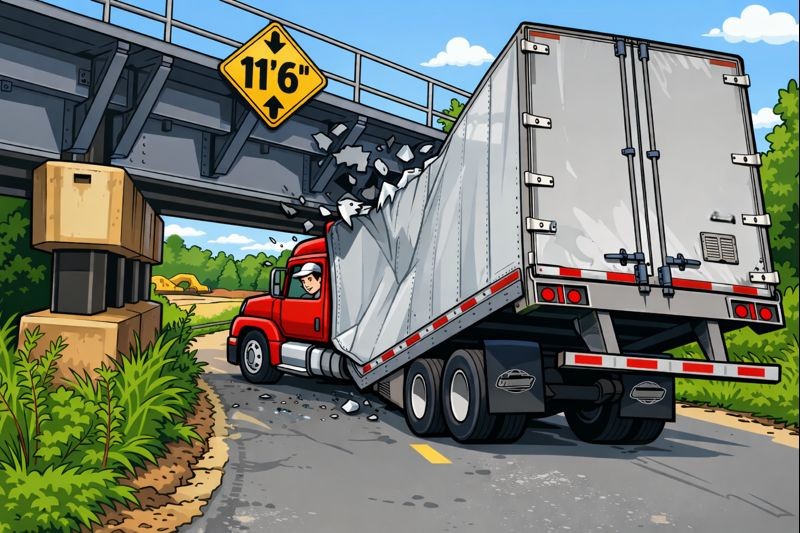
For most car drivers, bridge clearance signs barely register. For CDL drivers, they can mean the difference between a smooth run and a career-stopping accident. Strikes with bridges, overpasses, wires, and trees are one of the most expensive—and preventable—incidents in trucking.
Knowing your truck’s height and staying alert to changing conditions is critical, especially with varied loads, aging infrastructure, and construction zones everywhere.
1. Know Your Exact Height—Every Trip
- Always know your total vehicle height: including the trailer, load, tarps, and any mounted equipment.
- Remember: weight changes height: an empty or lightly loaded trailer rides higher than a loaded one. Just because you cleared a bridge loaded doesn’t mean you’ll clear it empty.
2. Don’t Trust Clearance Signs Blindly:
Clearance signs are helpful—but not foolproof. When in doubt, assume clearance is less than posted.
- Road resurfacing reduces clearance: fresh pavement, steel plates, or compacted snow and ice can reduce actual clearance below what’s posted.
- Construction zones change everything: temporary structures, detours, and scaffolding can create unexpected low points.
- Older signs may not reflect current conditions: infrastructure shifts over time.
3. Slow Down and Reroute When Unsure
- If you’re unsure about clearance, slow way down: slowing to a crawl gives you time to stop before contact.
- If you’re still uncertain—don’t chance it. Find another route: detours are cheaper than bridge strikes, cargo loss, tickets, or losing your CDL. (There are CDL apps that can help you find a route)
4. Watch for Hidden Overhead Hazards
- Low bridges and underpasses aren’t always well-marked: be especially cautious on local roads and older urban routes.
- Road tilt matters: uneven pavement or sloped roads can cause your trailer to lean, reducing side clearance near signs, trees, and bridge supports. Stay slightly toward the center of the lane when safe to do so.
- Backing up? Look up first: trees, branches, utility lines, warehouse awnings, and canopies are easy to miss in reverse—especially at night or in bad weather.
5. Use Technology—but Don’t Rely on It Alone
- Truck-specific GPS systems can help avoid low-clearance routes, but they are not perfect: always verify visually.
- Dash cams and mirror cameras improve visibility: remember, it's still important to physically check overhead space.
One strike can end a career. Overhead collisions are often classified as preventable accidents and can result in costly repairs and downtime, cargo damage, CDL violations, and lost job opportunities. Staying alert to what's above your truck is just as important as watching the road ahead.
At CDL Direct, we deliver high-quality online Entry Level Driver Training (ELDT) designed to prepare drivers for real-world challenges—like clearance awareness, route planning, and accident prevention. We also partner with behind-the-wheel schools and offer job placement assistance, helping drivers get on the road and start earning fast.
If you’re ready to build a safer, stronger trucking career, CDL Direct is here to help you move forward with confidence.
How and When Should a Commercial Truck Driver Use a Runaway Truck Ramp
Brake failure is every CDL driver’s worst-case scenario—especially on long, steep downgrades. While modern braking systems and proper driving habits make it rare, it can still happen. That’s why knowing how to recognize and use a runaway truck ramp isn’t optional—it’s a lifesaving skill.
What Is a Runaway Truck Ramp?
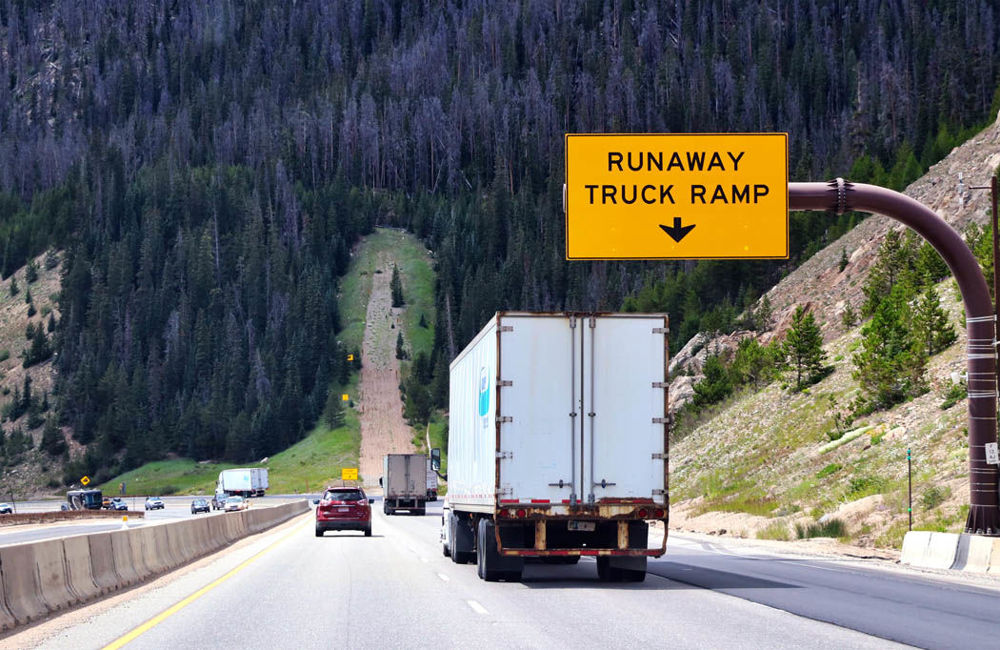
A runaway truck ramp (also called an escape ramp) is a designated emergency exit built to stop an out-of-control commercial vehicle safely. You’ll recognize one by: a clearly marked sign well before the entrance, a dead-end gravel or dirt lane usually angling uphill, and placement a few miles after the start of a downgrade.
These ramps have been saving lives since the 1960s and are most common in mountainous regions. Today, there are 400+ runaway truck ramps across the U.S., many located on high-risk downhill corridors.
A Real-World Example
On US Highway 16 near Dead Man’s Curve in Wyoming, one of the most used runaway truck ramps has prevented countless fatalities. Before the ramp was installed, the steep downgrade, heavy loads, and sharp turns, resulted in catastrophic crashes—including vehicles plunging hundreds of feet. Today, drivers who lose braking power on this scenic but dangerous stretch of road, have a safe way to stop and continue their journey safely.
How Runaway Truck Ramps Work
Not all ramps are the same, but most use one or more of these designs:
- Deep gravel ramps that rapidly slow wheels through resistance
- Uphill ramps that use gravity to reduce speed
- Combination ramps that use both incline and soft gravel to stop and hold the truck
Once you commit to the ramp, stay in it. The system is designed to stop you safely—even if it feels aggressive.
When Should You Use a Runaway Truck Ramp?
Preventing brake failure comes first. Runaway ramps are a last resort—not a backup plan. To reduce risk:
- Keep your vehicle maintained and do your pre-trip inspections (including checking your brakes regularly). This is federally required and non-negotiable. Improper maintenance isn’t just unsafe—it can lead to major fines, CDL suspension, or even criminal charges if it contributes to a crash.
- Never rely solely on service brakes on long downgrades. Use proper downhill braking techniques, including engine braking.
- Control your speed early before descending—not halfway down. The earlier you start braking before a downgrade, the safer you will be.
Despite your best efforts, you may still find yourself in a position where you need to slow your vehicle in an emergency. You should use a runaway truck immediately when you realize: your brakes are fading or unresponsive, your speed is increasing despite braking, and/or you can’t downshift to regain control. Do not wait. The longer you delay, the more momentum you build and the harder it becomes to stop.
If no escape ramp is available, choose the least dangerous option, such as: an uphill side road, an open field, or a route that reduces speed and avoids traffic.
Using a runaway truck ramp is never a failure—it’s a professional decision that saves lives, equipment, and careers. Every CDL driver should know how to spot one, when to use it, and why acting decisively can save your life.
At CDL Direct, our online Entry Level Driver Training (ELDT) goes beyond passing the test. We teach real-world safety knowledge—like downhill control, brake management, and emergency decision-making—so you’re prepared when it matters most.
If you’re ready to earn your CDL and drive with confidence in any condition, visit CDLDirect.com and start your journey today.