CDL Direct Blog
Blog posts of '2026' 'March'
Bus Driver Salary: How Much Can You Earn?
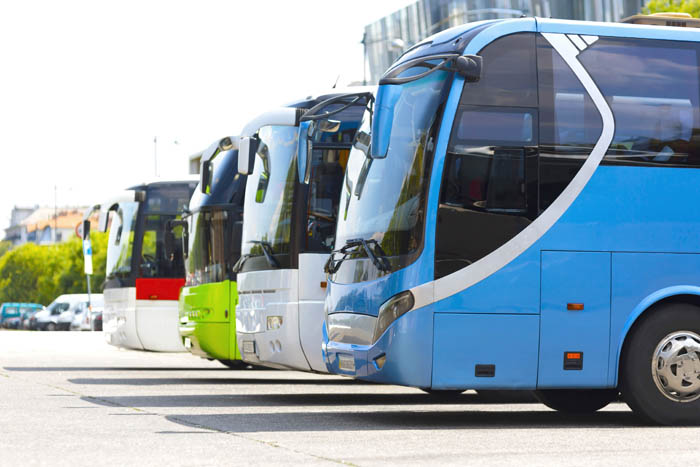
If you want to stay local as a CDL driver, and are willing to obtain a Passenger (P) endorsement, bus driving can be a great option. Opportunities include city transit, school buses, motorcoach (charter/tour), and shuttle driving. Each comes with different schedules, pay structures, and lifestyle trade-offs. Knowing the requirements of each job and what you can earn may help you make your decision about which opportunity is best for you and your family.
City (Transit) Bus Drivers
Transit bus drivers operate on fixed routes in cities and are often needed around the clock. You’ll also become very familiar with your regular passengers—and their morning moods. Therefore, the scheduled shifts may include early mornings, nights, weekends, and holidays. Some systems use split shifts or rotating schedules. Many positions are unionized with overtime opportunities.
Pay
Average: $24–$28/hour
Annual: $45,000–$60,000+
Top earners: $65,000–$75,000+ (with overtime and seniority)
According to the Bureau of Labor Statistics, transit drivers tend to earn higher wages than other bus driver types due to full-time hours and union benefits.
School Bus Drivers
School bus drivers typically work part-time schedules aligned with school calendars. You’ll master the fine art of maintaining order while 30 kids debate snacks, homework, and who’s sitting where. Schedules include split shifts (morning and afternoon), with summers, weekends, and holidays often off. You have the opportunity for extra income available through midday kindergarten transportation, field trips, and/or sports routes.
Pay
Average: $20–$25/hour
Annual: $35,000–$50,000
Higher earnings possible with extra routes or full-time roles
Note: Many school bus drivers are technically part-time, which affects total yearly earnings.
Motorcoach (Charter/Tour) Drivers
Motorcoach drivers transport passengers over longer distances for tours, charters, or scheduled routes. The schedule for tours and charters may run at irregular hours with overnight trips and multi-day travel common. Work often includes weekends and holidays.
Pay
Average: $24–$30/hour
Annual: $50,000–$65,000
High earners: $70,000–$90,000+ (typically with overtime, seniority, or premium routes)
While some drivers at companies like Peter Pan Bus Lines can approach six figures, this is not typical and usually requires extensive experience and overtime.
Shuttle Drivers (Airport, Hotel, Corporate)
Shuttle driving can be one of the most flexible CDL passenger jobs. There are full-time or part-time options and local routes mean you can be home every evening. You can often find split shifts or steady routes depending on your needs and employer.
Pay
Average: $18–$24/hour
Annual: $35,000–$50,000
CDL-required roles generally pay more than non-CDL.
Airport shuttle drivers and specialized routes may earn on the higher end, especially in high-cost states.
Bus driving can provide stable, local CDL opportunities with a wide range of schedules and income potential. Each path offers different advantages depending on your lifestyle and income goals. Across all bus driving jobs, earnings often depend on: location (the higher the cost of living and demand, the more you can make), part-time vs. full-time, experience and seniority, union vs. non-union employer, overtime availability, and if you are willing to do multi-day trips and/or drive overnight. While most drivers earn between $40,000 and $60,000 per year, higher earnings are possible with experience, overtime, and the right employer.
At CDL Direct, we don’t just prepare you to pass the exam. Our course is designed to prepare you for real-world situations—inspections, roadside stops, accidents, and the decisions and driving techniques that protect your livelihood.
How to Pass a DOT Roadside Inspection as a CDL Driver
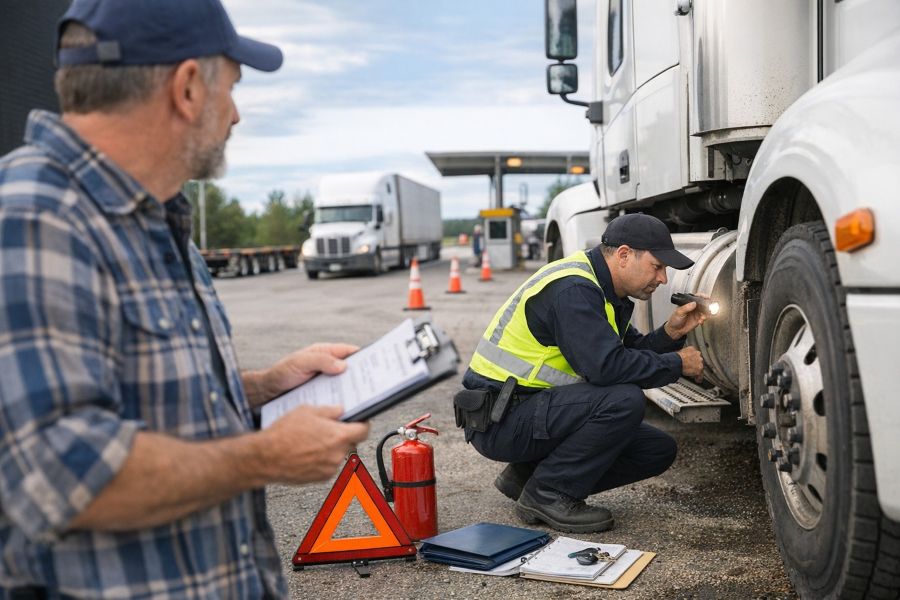
The purpose of a DOT roadside inspection is to keep roads safe by ensuring commercial motor vehicles (CMVs) and drivers meet federal safety standards. By removing unsafe commercial vehicles from the road, accidents and loss of life is greatly reduced. So how can you contribute to safety on the road? If you know your equipment, stay compliant, and remain professional, passing a DOT roadside inspection will be a breeze.
Pre-Trip Inspections and Maintenance
Keeping your CMV in safe working condition is one of your most important responsibilities.
- Perform pre-trip and post-trip inspections.
- Review and sign your Driver Vehicle Inspection Report (DVIR).
- Focus on High-Risk Violation Areas.
Inspectors frequently place vehicles Out-of-Service (OOS) for:
- Brakes (out of adjustment, air leaks, worn components)
- Tires (low tread depth, damage, improper inflation)
- Lights (inoperative or missing lamps/reflectors)
- Cargo securement (loose or improperly tied-down loads)
- Suspension & steering components
Also ensure: emergency equipment is present (fire extinguisher, triangles, and fuses if applicable), there are no air or fluid leaks, and that you have no cracked frames or major structural issues.
While cleanliness is not a formal requirement, it helps make inspection points easier to access and demonstrates professionalism and attention to detail. A well-maintained truck can contribute to a smoother inspection, but compliance—not appearance—is what determines the outcome.
Fact: Brake violations are consistently the #1 cause of OOS orders during inspections.
Have Documentation Ready
Be prepared to provide the following:
- Commercial Driver’s License (CDL)
- Medical Examiner’s Certificate (Med Card)
- Record of Duty Status (ELD or logbook)
- Vehicle registration
- Proof of insurance
- Annual/periodic inspection report
- IFTA credentials (if applicable, electronic or paper)
- Shipping papers / Bill of Lading
- Current day and previous 7 days (if operating under HOS logging requirements)
- Logs must be accurate and up to date
- Additional (if applicable)
- Hazardous materials paperwork
- Skill Performance Evaluation (SPE certificate)
- Lease agreement (owner-operators)
Fact: Logbook/ELD violations and form & manner errors are among the most common citations.
During the Inspection: Stay Professional
Your attitude won’t override violations—but it does affect the interaction. Best practices include:
- Follow instructions carefully.
- Keep your seatbelt fastened until told otherwise.
- Answer questions clearly and honestly.
- Avoid arguing during the inspection.
If you are aware of a minor issue, being upfront can help build trust. If the inspector knows you are aware of the issue and working to fix it, they may show leniency when possible. However, be aware, inspectors must still enforce OOS criteria when applicable and necessary.
Last Word
Passing a DOT roadside inspection comes down to a safe and well maintained vehicle, accurate and complete documentation, and professional conduct. Do those consistently, and inspections become routine instead of stressful.
At CDL Direct, we don’t just prepare you to pass the exam. Our course is designed to prepare you for real-world situations—inspections, roadside stops, accidents, and the decisions and driving techniques that protect your livelihood.

Driving a Big Rig in Wind and Bad Weather: Safety Tips for CDL Drivers
One driver recalls, "I remember being high in the mountains during a time a stretch of mountain road was experiencing dangerous wind gusts. Most cars had already pulled over to the shoulder to wait it out. But one big rig decided to keep moving. Not long after entering the exposed section of road, a powerful gust caught the trailer and pushed the entire truck onto its side. The driver climbed out and struggled to walk to safety while the wind nearly knocked him over too. This could have been especially dangerous as the road dropped off on both sides. Thankfully, he made it to safety okay, although no doubt a bit shooken up and disappointed he had to leave his rig behind."
For CDL drivers, situations like this are a reminder that weather is one of the biggest hazards on the road. Strong winds, heavy rain, snow, and ice can turn a routine drive into a dangerous one fast. Knowing how to handle these conditions—and when to stop—is a key skill every professional driver must learn. Here are important safety tips every CDL driver should know.
Understand How Wind Affects Big Rigs
Large trucks have a lot of surface area, especially with empty or lightly loaded trailers. That makes them vulnerable to crosswinds. Strong gusts can:
- Push trailers into another lane
- Cause steering instability
- Increase the risk of a rollover, particularly on bridges, open highways, and mountain passes
High-profile vehicles are especially vulnerable when winds exceed 40–50 mph, and many states post warnings or restrictions when gusts become dangerous. Professional drivers constantly monitor weather forecasts and wind advisories before and during a trip.
Slow Down and Increase Following Distance
Bad weather means less traction and longer stopping distances. Safety guidelines from the Federal Motor Carrier Safety Administration recommend reducing speed in hazardous conditions and increasing following distance. In rain, snow, or wind:
- Reduce speed below the posted limit if necessary.
- Increase following distance to at least 7–8 seconds or more.
- Brake earlier and more gradually.
- Avoid sudden steering movements.
- Slower, smoother driving gives you time to react if a gust pushes the trailer or traffic slows suddenly.
Watch for High-Risk Areas
As the above real-life experience illustrates, certain areas are much more dangerous during high winds. These areas often create sudden wind tunnels or powerful crosswind bursts. Keep both hands firmly on the wheel and be ready for sudden gusts. CDL drivers should be especially cautious on:
- Bridges and overpasses
- Mountain passes and ridgelines
- Open plains or desert highways
- Gaps between buildings in cities
Be Extra Careful with Empty Trailers
An empty or lightly loaded trailer is more likely to be affected by wind. Without cargo weight, strong gusts can push the trailer sideways much easier. Experienced drivers treat empty trailers with extra respect when the wind picks up. Drivers hauling empty trailers should:
- Reduce speed further than normal.
- Avoid exposed highways during wind advisories.
- Be especially cautious while passing other vehicles.
Adjust for Rain, Snow, and Ice
Bad weather isn’t just about wind. Rain and winter conditions create additional hazards. Black ice is especially dangerous because it’s nearly invisible. Bridges and shaded areas freeze first. Drivers should:
- Turn on headlights during reduced visibility.
- Avoid cruise control in slippery conditions.
- Watch for hydroplaning during heavy rain.
- Reduce speed drastically on snow or ice.
Know When to Pull Over
One of the hardest lessons for new drivers is knowing when not to keep driving. If winds become too strong or visibility drops too low, the safest choice may be to pull over in a safe area such as a: truck stop, rest area, or a wide shoulder away from traffic. If parked, aim your tractor trailer into the wind.
Professional drivers, and their companies, understand that delayed freight is better than a wrecked truck.
Plan Ahead with Weather and Route Awareness
Modern trucking relies heavily on planning, as preparation is one of the best defenses against bad weather. Many fleets now use real-time weather monitoring to help drivers avoid dangerous conditions. Before starting a trip, drivers should check:
- Weather forecasts along the route
- Wind advisories or road restrictions
- Mountain pass conditions
- Alternate routes if needed
At CDL Direct, we don’t just prepare you to pass the exam. Our course is designed to prepare you for real-world situations—inspections, roadside stops, accidents, and the decisions and driving techniques that protect your livelihood.

Keeping Passengers Comfortable: A Guide for Commercial Drivers
For commercial drivers who transport people—whether it’s a motorcoach, airport shuttle, tour bus, or transit vehicle—the job is about more than just driving. Passengers expect a ride that feels safe, smooth, and comfortable from the moment they board until they arrive at their destination. Even small details can make a big difference for a rider. Here’s how you can keep passengers comfortable—and why proper CDL training prepares you for it.
Comfort Starts Before the Engine Starts
Passenger safety and comfort begin before the vehicle ever leaves the lot. A proper pre-trip inspection ensures that the vehicle is ready for the road and safe for everyone on board. Under regulations from the Federal Motor Carrier Safety Administration (FMCSA), commercial drivers are required to inspect key safety components before operating a vehicle. For passenger vehicles, that includes checking:
- Tires, brakes, lights, and steering systems
- Heating, air conditioning, and ventilation
- Emergency exits and alarm systems
- Fire extinguishers and safety equipment
- Passenger seating and aisle clearance
Emergency exits must remain clearly marked and unobstructed, and drivers should know how to explain safety procedures if needed. If the trip involves luggage or cargo storage, make sure all items are secured properly so they cannot shift during sudden stops.
Smooth Driving Makes a Huge Difference
It's important to remember, passengers feel every movement of a large vehicle. This fact is enhanced when you consider that these vehicles take longer to stop due to their size and weight. Therefore, to keep their passengers comfortable and safe, professional drivers want to focus on smooth, controlled driving techniques, including: gradual acceleration, early braking to avoid sudden stops, wide, steady turns, and maintaining proper following distance.
Defensive driving is especially important when carrying passengers. By scanning the road ahead and anticipating traffic and weather conditions, drivers can avoid abrupt maneuvers and create a calmer ride. For example, when weather conditions change—rain, snow, fog, or high winds—professional drivers should: reduce speed, increase following distance, brake earlier and more gradually, and avoid sudden steering inputs. These adjustments protect passengers and maintain comfort throughout the trip.
Keep Distractions to Zero
A comfortable ride also depends on the driver’s full attention. Professional CDL drivers avoid distractions such as: texting or using handheld phones, eating while driving, and adjusting devices or controls unnecessarily. Keeping your attention on the road helps prevent sudden corrections that passengers can feel.
In fact, federal regulations prohibit handheld phone use for commercial drivers, and violations can result in serious penalties and possible CDL disqualification.
Plan Stops and Maintain a Comfortable Environment
If you’re driving a charter or long-distance route, scheduled stops can improve passenger comfort by allowing passengers to use the restroom, stretch their legs, and grab refreshments. Planning stops also helps ensure passengers remain seated while the vehicle is moving, which improves safety and reduces distractions for the driver.
While on the road between stops, drivers can still help maintain a relaxing atmosphere inside the vehicle. Good ventilation and comfortable temperatures make a big difference, especially on long trips. Do your best to keep noise levels reasonable to help passengers rest, work, and enjoy the ride.
Professionalism Sets the Tone
As the driver, you set the tone for the entire trip. Simple actions—like greeting passengers, driving smoothly, and communicating clearly—help build trust and confidence. Riders appreciate a driver who is calm, respectful, and attentive to their comfort and safety.
Passenger transportation requires a **Passenger (P) endorsement** on a CDL. With demand growing for bus, shuttle, and charter drivers across the country, earning a CDL with a Passenger endorsement can lead to a stable and rewarding career.
At CDL Direct, we don’t just prepare you to pass the exam. Our course is designed to prepare you for real-world situations—inspections, roadside stops, accidents, and the decisions and driving techniques that protect your livelihood.
What Should a CDL Driver Do After a Collision?
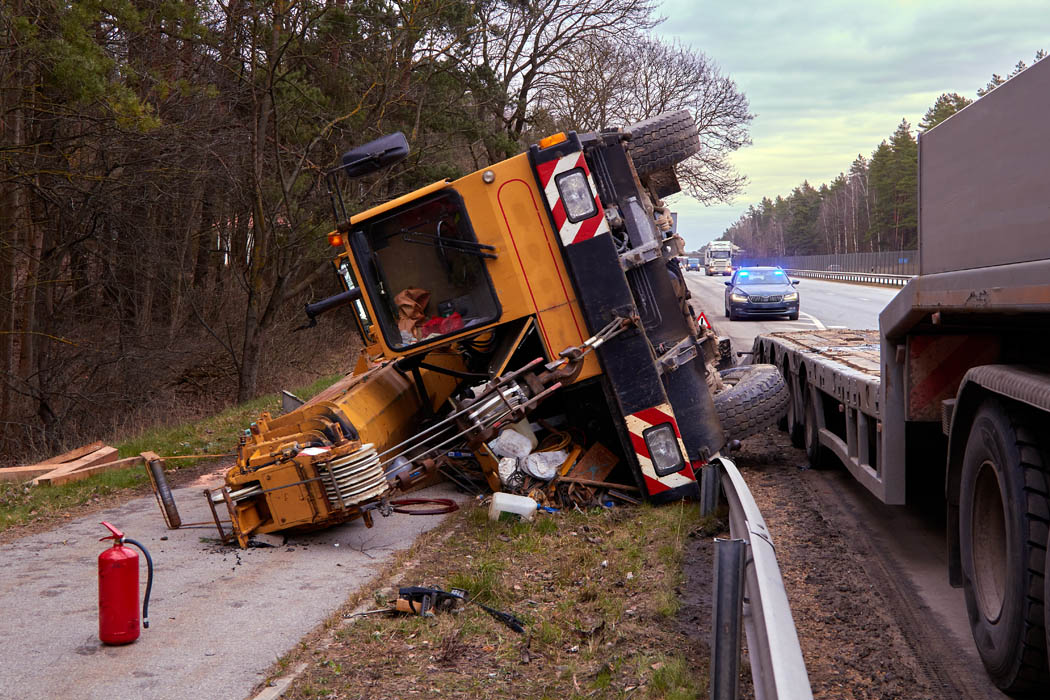
No driver rolls out thinking, “Today’s the day I’m getting into a crash.” But if you hold a CDL, being prepared isn’t optional—it’s professional. A collision can impact your safety record, your employer, your insurance, and your CDL. The good news? When you know exactly what steps to take, you protect yourself, others involved, and your career.
1. Stop Immediately and Assess the Scene - Federal law requires you to stop after a crash. Bring your vehicle to a controlled stop and:
- Turn on hazard lights immediately.
- Take a breath and assess for danger (fire, fuel leaks, unstable cargo, oncoming traffic).
- Stay in the cab until it’s safe to exit.
- If there are injuries, call 911 immediately. Even in minor crashes, contacting law enforcement is smart—documentation protects you.
2. Secure the Area (FMCSA Requirements) - Under regulations from the Federal Motor Carrier Safety Administration (FMCSA) (49 CFR §392.22), commercial drivers must deploy emergency warning devices if stopped on the roadway. That means:
- Activate the hazard flashers immediately.
- Place reflective triangles within 10 minutes. Follow proper placement distances (typically 10 ft, 100 ft, and 200 ft depending on road type). This step is not optional—it’s federally required.
- If you have hazardous cargo, make sure others stay the required distance away.
3. Check for Injuries and Provide Reasonable Assistance - FMCSA regulations require drivers involved in crashes to provide reasonable assistance to injured persons if able.
- Call emergency services.
- Do not move injured individuals unless there is immediate danger.
- Remain calm and professional. Remember: dashcams, bystanders, and body cams may be recording everything.
4. Notify Your Carrier Immediately - Most carriers require immediate accident reporting. Follow your company protocol exactly. Failure to report promptly can create bigger problems than the crash itself. This is important as your company may do one of the following:
- Dispatch safety personnel
- Arrange cargo recovery
- Contact insurance representatives
- Provide legal guidance
If you’re an owner-operator, notify your insurance provider immediately and follow your policy’s reporting requirements.
5. Document Everything - Your phone is one of your most powerful tools. Take clear photos of the following:
- All vehicles involved
- License plates and DOT numbers
- Road conditions
- Skid marks
- Traffic signals and signage
- Weather conditions
- Cargo securement
Collect: names and contact info of all drivers, insurance details, witness names and phone numbers, as well as the officer’s name and their report number. Write down your own recollection while it’s fresh. Do not rely on memory alone.
6. Do Not Admit Fault - Be respectful. Be cooperative. But do not admit fault or apologize in a way that implies responsibility. Even saying “I’m sorry” can be used against you later. Stick to factual statements when speaking with: law enforcement, your employer, and insurance representatives. You may think you know what happened, but liability is best determined through investigation.
7. Expect Post-Accident Drug & Alcohol Testing - Under Federal Motor Carrier Safety Administration regulations (49 CFR Part 382), CDL drivers must undergo post-accident testing when certain conditions apply, including:
- A fatality
- A citation issued with injury requiring medical treatment away from the scene
- A citation issued and a vehicle is towed
Testing timelines: Alcohol testing within 8 hours, and drug testing within 32 hours. Refusing testing is treated the same as a positive result and can result in disqualification.
8. Understand How It Affects Your CDL - Not every accident leads to CDL suspension. States assess points differently, but CDL holders are held to stricter standards. Therefore, be aware of these facts:
- Serious traffic violations can lead to disqualification.
- Alcohol violations in a CMV carry a 0.04% BAC limit.
- Leaving the scene, using a CMV in a felony, or major violations can result in multi-year or lifetime disqualification.
Also important: if your regular driver’s license is suspended, your CDL privileges are suspended as well. Your safety record matters. So does your response.
Crashes can impact your carrier’s CSA (Compliance, Safety, Accountability) scores under FMCSA oversight. The best way to handle a collision is to reduce the chances of one happening. Preventable accidents may: affect employment opportunities, impact insurance costs, and limit job mobility. However, stay positive, because one incident—especially if handled properly—rarely ends a solid career.
At CDL Direct, we don’t just prepare you to pass the exam. Our course is designed to prepare you for real-world situations—inspections, roadside stops, accidents, and the decisions and driving techniques that protect your livelihood.