What Should a CDL Driver Do After a Collision?
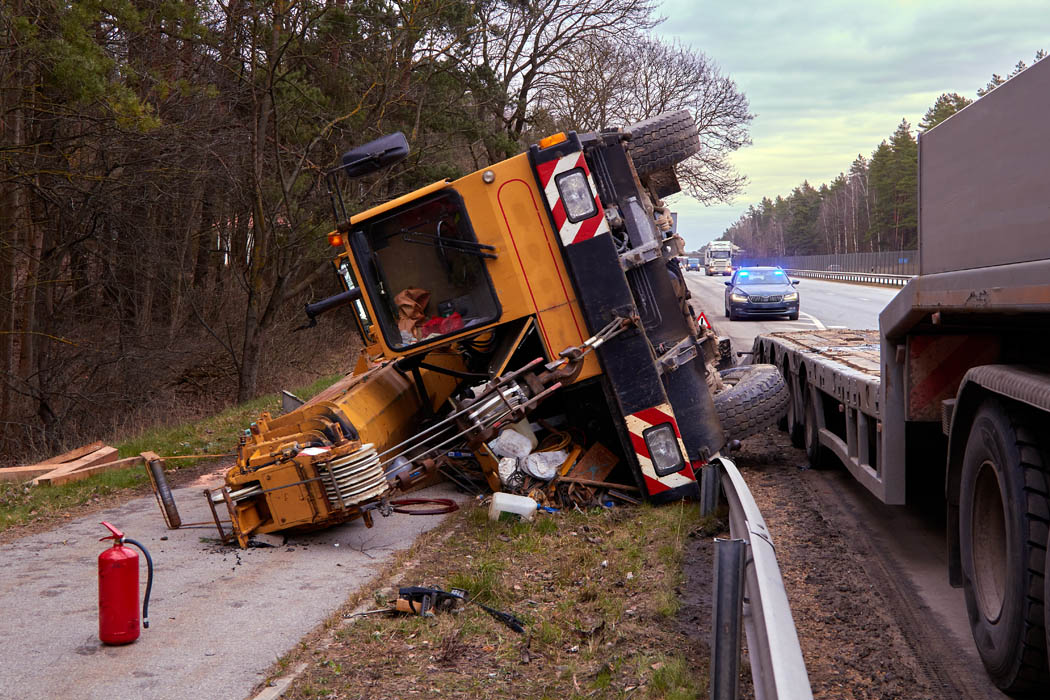
What Should a CDL Driver Do After a Collision?
No driver rolls out thinking, “Today’s the day I’m getting into a crash.” But if you hold a CDL, being prepared isn’t optional—it’s professional. A collision can impact your safety record, your employer, your insurance, and your CDL. The good news? When you know exactly what steps to take, you protect yourself, others involved, and your career.
1. Stop Immediately and Assess the Scene - Federal law requires you to stop after a crash. Bring your vehicle to a controlled stop and:
- Turn on hazard lights immediately.
- Take a breath and assess for danger (fire, fuel leaks, unstable cargo, oncoming traffic).
- Stay in the cab until it’s safe to exit.
- If there are injuries, call 911 immediately. Even in minor crashes, contacting law enforcement is smart—documentation protects you.
2. Secure the Area (FMCSA Requirements) - Under regulations from the Federal Motor Carrier Safety Administration (FMCSA) (49 CFR §392.22), commercial drivers must deploy emergency warning devices if stopped on the roadway. That means:
- Activate the hazard flashers immediately.
- Place reflective triangles within 10 minutes. Follow proper placement distances (typically 10 ft, 100 ft, and 200 ft depending on road type). This step is not optional—it’s federally required.
- If you have hazardous cargo, make sure others stay the required distance away.
3. Check for Injuries and Provide Reasonable Assistance - FMCSA regulations require drivers involved in crashes to provide reasonable assistance to injured persons if able.
- Call emergency services.
- Do not move injured individuals unless there is immediate danger.
- Remain calm and professional. Remember: dashcams, bystanders, and body cams may be recording everything.
4. Notify Your Carrier Immediately - Most carriers require immediate accident reporting. Follow your company protocol exactly. Failure to report promptly can create bigger problems than the crash itself. This is important as your company may do one of the following:
- Dispatch safety personnel
- Arrange cargo recovery
- Contact insurance representatives
- Provide legal guidance
If you’re an owner-operator, notify your insurance provider immediately and follow your policy’s reporting requirements.
5. Document Everything - Your phone is one of your most powerful tools. Take clear photos of the following:
- All vehicles involved
- License plates and DOT numbers
- Road conditions
- Skid marks
- Traffic signals and signage
- Weather conditions
- Cargo securement
Collect: names and contact info of all drivers, insurance details, witness names and phone numbers, as well as the officer’s name and their report number. Write down your own recollection while it’s fresh. Do not rely on memory alone.
6. Do Not Admit Fault - Be respectful. Be cooperative. But do not admit fault or apologize in a way that implies responsibility. Even saying “I’m sorry” can be used against you later. Stick to factual statements when speaking with: law enforcement, your employer, and insurance representatives. You may think you know what happened, but liability is best determined through investigation.
7. Expect Post-Accident Drug & Alcohol Testing - Under Federal Motor Carrier Safety Administration regulations (49 CFR Part 382), CDL drivers must undergo post-accident testing when certain conditions apply, including:
- A fatality
- A citation issued with injury requiring medical treatment away from the scene
- A citation issued and a vehicle is towed
Testing timelines: Alcohol testing within 8 hours, and drug testing within 32 hours. Refusing testing is treated the same as a positive result and can result in disqualification.
8. Understand How It Affects Your CDL - Not every accident leads to CDL suspension. States assess points differently, but CDL holders are held to stricter standards. Therefore, be aware of these facts:
- Serious traffic violations can lead to disqualification.
- Alcohol violations in a CMV carry a 0.04% BAC limit.
- Leaving the scene, using a CMV in a felony, or major violations can result in multi-year or lifetime disqualification.
Also important: if your regular driver’s license is suspended, your CDL privileges are suspended as well. Your safety record matters. So does your response.
Crashes can impact your carrier’s CSA (Compliance, Safety, Accountability) scores under FMCSA oversight. The best way to handle a collision is to reduce the chances of one happening. Preventable accidents may: affect employment opportunities, impact insurance costs, and limit job mobility. However, stay positive, because one incident—especially if handled properly—rarely ends a solid career.
At CDL Direct, we don’t just prepare you to pass the exam. Our course is designed to prepare you for real-world situations—inspections, roadside stops, accidents, and the decisions and driving techniques that protect your livelihood.