CDL Direct Blog
Blog posts of '2026' 'April'

Tips to Stay on Schedule as a Commercial Driver
Professional CDL drivers know that staying on schedule isn’t about driving faster—it’s about planning smarter, managing your time, and staying compliant.
Despite their best efforts, running late hits every driver at some point. Traffic backs up, weather rolls in, a shipper isn’t ready—and suddenly the clock feels like your enemy. The worst move you can make? Rushing. That’s how mistakes, violations, and accidents happen. Follow these tips to keep your loads on time without risking your safety or your CDL.
Plan Your Day Before You Roll
The most on-time drivers don’t “wing it”—they plan. Make it your goal to stay organized with pre-trip inspections and fueling. Avoid procrastinating and wasting time unnecessarily. Before starting your shift:
- Check weather and traffic conditions along your route.
- Use truck-specific GPS to avoid low bridges, restricted roads, and tight turns.
- Identify fuel stops, rest areas, and parking options in advance.
- Plan and prepare meals before you leave to save time on the road.
- Build in buffer time for delays.
Bad weather and congestion are two of the biggest causes of delays. Planning ahead gives you options instead of stress.
Use Technology to Your Advantage
Plan to drive during times that may avoid traffic congestion, accidents, and if possible, bad weather conditions. Modern tools make it easier than ever to know what challenges you will meet on route and how you can stay on track. Make it a practice to use:
* GPS apps for truck-safe routing
* Weather apps for real-time updates
* Parking apps to avoid last-minute stress
* ELDs to track available drive time
Drivers who use these tools effectively waste less time and avoid surprises.
Know Your Hours of Service (HOS)
Your schedule is controlled by federal law—not just your delivery time. Under regulations from the Federal Motor Carrier Safety Administration (FMCSA), most property-carrying drivers must follow:
**11-hour driving limit
**14-hour on-duty window
**30-minute break after 8 hours of driving
**60/70-hour weekly limits
Your ELD (Electronic Logging Device) tracks all of this automatically. Smart drivers plan their day around these limits to avoid violations that can shut them down.
Use Breaks Strategically
Keep in mind, breaks aren’t wasted time—they’re part of staying efficient. Staying alert will help you stay on schedule. Even a short 15–20 minute nap can improve alertness. You can also exercise to get your heart pumping and reduce fatigue. *Fatigue is a major factor in crashes, and no load is worth risking your life.*
To have breaks work to your advantage, combine tasks like fueling up, eating, using the restroom, and doing quick walk-around inspections. This limits the need for multiple stops.
Communicate Early and Often
Delays at shippers and receivers (detention time) are a common cause of running late. Good communication saves time.
* Stay in contact with dispatch for updates
* Notify them early if delays happen
* Call ahead to shippers/receivers to confirm readiness
If a load isn’t ready, use that time productively—rest, fuel up, or complete inspections instead of sitting idle.
Stay Organized on the Road
Disorganization wastes more time than most drivers realize. Keep your documents (CDL, med card, registration, BOL), ELD and logs, and personal items in consistent, easy-to-access places. When inspectors or shippers ask for something, you’ll be ready—no scrambling, no delays.
Maintain Your Equipment
Breakdowns destroy schedules. Regular pre-trip and post-trip inspections help catch issues early, especially: tires and pressure, brakes, lights, and fluid levels. A well-maintained truck reduces the risk of:
* Roadside breakdowns
* Out-of-service (OOS) violations
* Long inspection delays
Taking 10–15 minutes upfront can save hours later.
Have a Backup Plan
Even the best plan can hit a snag. Planning for the “what if” keeps you in control. Always think ahead:
* Where will you park if you run out of time?
* What’s your alternate route if traffic shuts down your main one?
* What will you do if weather worsens?
Being on time in trucking isn’t about pushing harder—it’s about working smarter. Speeding won’t fix a late schedule and usually makes things worse. Professional drivers focus on consistent, efficient driving, not rushing. When you plan ahead, manage your time, stay organized, and keep your equipment in shape you don’t just stay on schedule—you build a reputation as a reliable, professional driver. And in this industry, that reputation opens doors.
At CDL Direct, we don’t just prepare you to pass the exam. Our course is designed to prepare you for real-world situations—inspections, roadside stops, accidents, and the decisions and driving techniques that protect your livelihood.
Pro Tips for Using Air Brakes as a CDL Driver
If you’re serious about becoming a CDL driver, mastering air brakes is non-negotiable. Most Class A and many Class B commercial vehicles rely on air brake systems—and knowing how to use them correctly is critical for safety, compliance, and passing your CDL exam.
Air brakes aren’t complicated once you understand them—but they are unforgiving if used incorrectly. Here’s are some pro tips you need to know.
Understand the Basics First
Air brakes use compressed air—not hydraulic fluid—to apply pressure to the brakes. Key components include the: Air compressor – builds and maintains air pressure, Air tanks (reservoirs) – store compressed air, Brake chambers – convert air pressure into mechanical force, Slack adjusters – transfer force to the brake components, and Spring brakes – provide parking and emergency braking.
Normal operating pressure for most systems is roughly 100–125 psi. Low air pressure is dangerous and can lead to automatic brake application.
Always Do a Proper Air Brake Check
Before hitting the road, FMCSA-required pre-trip inspections include checking your air brake system. A proper air brake test typically includes:
- Air pressure build-up test (ensure system builds pressure properly)
- Low air warning (must activate before pressure drops below ~60 psi)
- Emergency spring brake activation (usually around 20–40 psi)
- Air leak test with no more than 3 psi loss in 1 minute for a single vehicle or 4 psi loss in 1 minute for combination vehicles (static test).
Skipping this step is one of the fastest ways to fail a CDL test—or get placed out of service.
Use Controlled Braking—Not Sudden Braking
With air brakes, timing matters. Smooth braking keeps your load stable and reduces wear on your system. There’s a slight delay (called brake lag) between pressing the pedal and the brakes engaging—especially in longer combination vehicles. Therefore, pro drivers:
* Apply steady, firm pressure
* Avoid “stabbing” the brakes unless necessary
* Plan stops early to reduce hard braking
Know When to Use the Engine Brake (Jake Brake)
Engine brakes help slow the vehicle without using service brakes—but they must be used correctly. Best practices include:
- Use on long downgrades to control speed
- Combine with proper gear selection
- Be cautious on wet, icy, or slippery roads (can cause loss of traction)
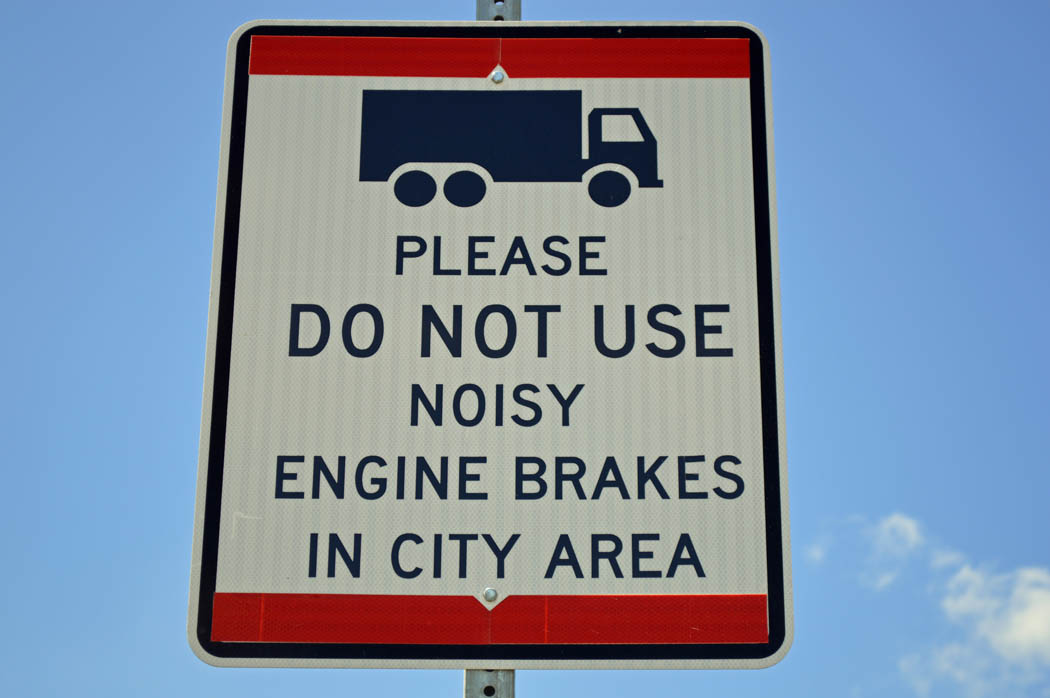
Some cities restrict engine brake use due to noise, so always watch for posted signs.
Control Your Speed on Downgrades
Runaway trucks can be avoided with proper downhill control. Safe downhill driving includes:
* Selecting the proper gear before starting downhill
* Using the same gear you’d use to climb the hill (general rule)
* Using engine braking to maintain a safe speed
* Applying controlled, intermittent braking if needed
Never rely solely on service brakes going downhill—this can cause brake fade due to overheating.
Understand Brake Fade and Failure
Brake fade happens when brakes overheat and lose effectiveness. Warning signs include reduced stopping power, burning smell, and increased stopping distance.
"Riding the brakes” (keeping light pressure on continuously) is one of the most common mistakes new drivers make. Instead use snub braking (apply firm pressure, then release) and let brakes cool between applications. This prevents overheating and extends brake life.
Using proper braking techniques should prevent brake fade, but if your brakes do fail:
- Use a runaway truck ramp if available
- Downshift and use engine braking
- Apply steady pressure—don’t pump excessively
Watch Your Air Pressure at All Times
Your air gauge is one of your most important instruments. If pressure drops too low:
* Warning systems activate around 60 psi
* Spring brakes may automatically engage around 20–40 psi
Never continue driving with low air pressure—it’s unsafe and can result in an out-of-service violation.
Air brakes are one of the most tested—and most failed—sections of the CDL exam. If you’re looking to start a CDL career, learning air brakes the right way is one of the most important steps you’ll take. Taking the time to follow these pro tips will help you to have fewer violations, have better job opportunities, drive safely, and give you more confidence behind the wheel.
At CDL Direct, we don’t just prepare you to pass the exam. Our course is designed to prepare you for real-world situations—inspections, roadside stops, accidents, and the decisions and driving techniques that protect your livelihood.

How Can Technology Make Your CDL Job Easier?
CDL driving in the present day isn’t what it used to be—and that’s a good thing. Today’s trucks are smarter, routes are more optimized, and drivers have more tools than ever to stay safe, compliant, and efficient. If you know how to use the technology available to you, your job becomes easier and less stressful. Here’s how modern tech is changing the game for CDL drivers.
Electronic Logging Devices (ELDs): Simplifying Compliance
Paper logs are largely a thing of the past. Most CDL drivers are required to use Electronic Logging Devices (ELDs) under regulations from the Federal Motor Carrier Safety Administration. ELDs automatically track your driving time, on-duty and off-duty hours, as well as breaks and rest periods. This helps you:
* Stay compliant with Hours of Service (HOS) rules
* Avoid costly violations
* Reduce paperwork
Instead of guessing your hours, you know exactly where you stand in real time.
GPS and Smart Routing: Less Stress, Better Planning
Modern GPS systems designed specifically for trucks do more than give directions. They help you avoid:
* Low bridges
* Weight-restricted roads
* Hazmat-restricted routes
* Tight turns and unsafe streets for large vehicles
Many systems also provide:
* Real-time traffic updates
* Weather alerts
* Fuel stop and parking suggestions
This means fewer wrong turns, less stress, and safer trips—especially in unfamiliar areas.
Advanced Driver Assistance Systems (ADAS)
Many newer trucks are equipped with safety technologies that act like a second set of eyes. Common systems include: lane departure warnings, forward collision warnings, automatic emergency braking (AEB), and adaptive cruise control. These systems don’t replace the driver—but they help prevent accidents and reduce fatigue on long hauls.
Dashcams: Protecting Your Career
Dashcams are becoming standard across the industry. In many cases, dashcam footage has cleared drivers of fault—making it one of the most valuable tools in your truck. They can:
* Provide video evidence in accidents
* Protect you from false claims
* Help carriers review and improve driver safety
Digital Load Boards and Apps
Finding loads and communicating with dispatch has never been easier. Many drivers and owner-operators use:
* Load board apps to find freight
* Mobile apps for submitting paperwork
* Messaging systems to communicate with dispatch in real time
This reduces downtime and keeps you moving.
Weigh Station Bypass & E-Screening
Technology like PrePass and Drivewyze allows qualified drivers to bypass weigh stations. These systems use safety scores and carrier compliance data. If your record is solid, you may be cleared to keep driving—saving time and fuel.
Maintenance Alerts and Telematics
Modern trucks can monitor their own performance. Instead of waiting for a breakdown, you’ll often get alerts before something becomes a serious problem. This keeps you safer and reduces costly downtime. Telematics systems track:
* Engine diagnostics
* Tire pressure
* Fuel efficiency
* Maintenance needs
Parking and Trip Planning Apps
One of the biggest challenges for drivers is finding safe parking. Planning ahead reduces stress—especially when you’re running out of drive time. Apps now help drivers locate:
* Available truck parking
* Rest areas
* Truck stops
* Amenities like showers and food
Technology isn’t replacing CDL drivers—it’s making them better. Drivers who understand technology often get hired faster, stay compliant, reduce their stress, and are in a position to earn more over time by staying on track. Today’s tools are designed to support you every mile of the journey to make your CDL career safer, smoother, and more rewarding.
At CDL Direct, we don’t just prepare you to pass the exam. Our course is designed to prepare you for real-world situations—inspections, roadside stops, accidents, and the decisions and driving techniques that protect your livelihood.
5 Healthy and Inexpensive Meal Ideas for CDL Drivers
Staying healthy and alert while driving long hours can be a challenge. (Especially when fast food is the easiest option at every stop.) However, choosing the right foods can make a big difference in how you feel behind the wheel. Balanced meals can help keep you alert, boost energy, keep you full longer, support digestion, and stabilize blood sugar levels—helping you avoid energy crashes during your shift.
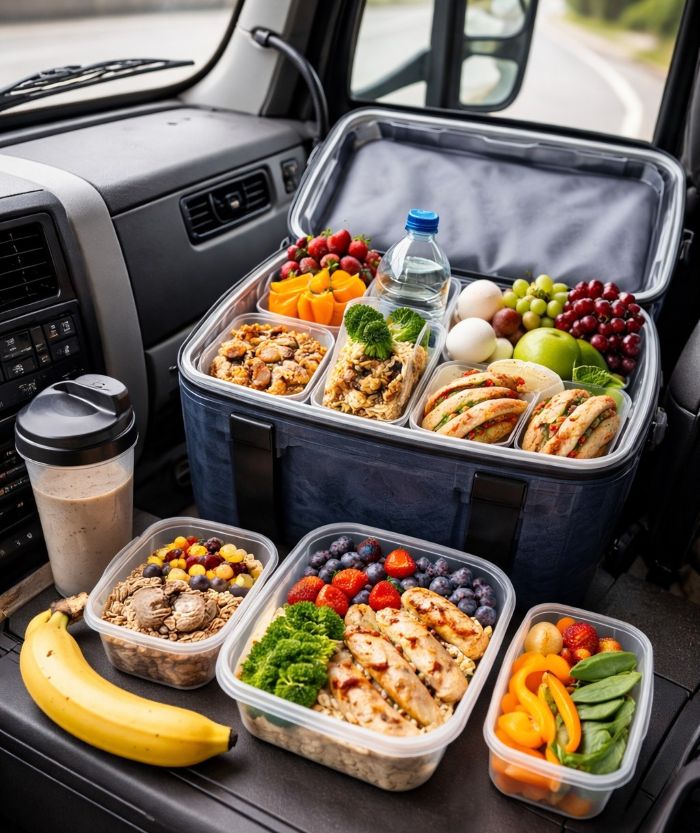
Many CDL drivers find it helpful to invest in a small fridge or cooler, along with a slow cooker or 12V portable oven, so they can prepare meals on the road and avoid relying on expensive truck stop food. Here are five healthy, nutrient-rich meal ideas that won’t break the bank.
1. Greek Yogurt Parfaits and Overnight Oats
Overnight oats are simple and filling. Just combine oats, milk and/or yogurt, and berries in a container and refrigerate overnight.
For a Greek yogurt parfait, layer greek yogurt, berries, and granola.
Also, for added sweetness to either, you can use a small amount of honey, maple syrup, or monk fruit. These options are rich in protein (Greek yogurt), fiber (oats, berries), and healthy carbs for steady energy.
Tip: Choose plain or low-sugar yogurt and granola to avoid excess added sugars.
2. Wraps and Sandwiches
Wraps and sandwiches are one of the easiest meals to prepare and store on the road (no fork required). You can mix and match ingredients like:
- Eggs, turkey, chicken, tuna, or roast beef
- Avocado or nut butters (healthy fats)
- Lettuce, tomatoes, and other vegetables
- Hummus or cheese
These meals provide a balance of protein, healthy fats, and fiber to keep you satisfied longer. As an added bonus, wraps can be eaten cold or warmed up, making them ideal if you only have a cooler.
3. Nourish Bowls
Bowls are a great way to pack a lot of nutrients into one meal. Start with a base like brown rice, quinoa, lentils, or whole wheat pasta.
Then add:
- Vegetables (broccoli, corn, peppers, etc.)
- Protein (chicken, tofu, beans, or fish)
- Healthy fats (avocado, yogurt-based sauces, hummus)
These meals are balanced, customizable, and can be eaten cold or reheated.
Food Safety Tip: Keep perishable ingredients stored below 40°F in a cooler or fridge to prevent spoilage.
4. Stir Fry Meals
Stir fry is a great option for meal prepping before your trip. You can pre-cook: rice or noodles, vegetables, and protein (chicken, beef, tofu). Store portions in containers and reheat them using a portable oven when you’re ready to eat.
This is a cost-effective way to have hot, nutritious meals without relying on fast food.
5. Slow Cooker Meals
Slow cooker meals can be convenient if done safely and properly. Options include:
- Shredded chicken tacos
- Chili
- Pulled pork
- Soups and pot roast
Pair with sides like brown rice, quinoa, sweet potatoes, or whole wheat pasta for a complete meal.
Safety Tip: Only use a slow cooker if it is properly secured and powered safely in your truck. Always ensure food reaches safe internal temperatures (especially meats) to avoid foodborne illness.
As an important side note, having healthy snacks on hand can help prevent overeating and keep your energy steady between meals. Good snack options include the following:
- Greek yogurt or cottage cheese
- Nuts and seeds
- Fresh or dried fruit
- Raw vegetables with dip
- Cheese and whole grain crackers
- Protein smoothies
Tip: Be mindful of sodium in processed snacks, as too much salt can affect blood pressure.
Whatever meal ideas become your favorites, to stay safe, keep in mind that perishable food should not sit out more than two hours in normal conditions or one hour in hot weather. Also, don’t forget hydration. Aim to drink water consistently throughout the day to stay alert and perform your best.
Healthy eating on the road doesn’t have to be complicated or expensive. With a little planning and the right equipment, you can prepare simple meals that keep you energized, focused, and feeling your best. Even small changes in what you eat can make a big difference over time. Choose foods that support your health—and help keep you safe behind the wheel.
At CDL Direct, we don’t just prepare you to pass the exam. Our course is designed to prepare you for real-world situations—inspections, roadside stops, accidents, and the decisions and driving techniques that protect your livelihood.