Pro Tips for Using Air Brakes as a CDL Driver
Pro Tips for Using Air Brakes as a CDL Driver
If you’re serious about becoming a CDL driver, mastering air brakes is non-negotiable. Most Class A and many Class B commercial vehicles rely on air brake systems—and knowing how to use them correctly is critical for safety, compliance, and passing your CDL exam.
Air brakes aren’t complicated once you understand them—but they are unforgiving if used incorrectly. Here’s are some pro tips you need to know.
Understand the Basics First
Air brakes use compressed air—not hydraulic fluid—to apply pressure to the brakes. Key components include the: Air compressor – builds and maintains air pressure, Air tanks (reservoirs) – store compressed air, Brake chambers – convert air pressure into mechanical force, Slack adjusters – transfer force to the brake components, and Spring brakes – provide parking and emergency braking.
Normal operating pressure for most systems is roughly 100–125 psi. Low air pressure is dangerous and can lead to automatic brake application.
Always Do a Proper Air Brake Check
Before hitting the road, FMCSA-required pre-trip inspections include checking your air brake system. A proper air brake test typically includes:
- Air pressure build-up test (ensure system builds pressure properly)
- Low air warning (must activate before pressure drops below ~60 psi)
- Emergency spring brake activation (usually around 20–40 psi)
- Air leak test with no more than 3 psi loss in 1 minute for a single vehicle or 4 psi loss in 1 minute for combination vehicles (static test).
Skipping this step is one of the fastest ways to fail a CDL test—or get placed out of service.
Use Controlled Braking—Not Sudden Braking
With air brakes, timing matters. Smooth braking keeps your load stable and reduces wear on your system. There’s a slight delay (called brake lag) between pressing the pedal and the brakes engaging—especially in longer combination vehicles. Therefore, pro drivers:
* Apply steady, firm pressure
* Avoid “stabbing” the brakes unless necessary
* Plan stops early to reduce hard braking
Know When to Use the Engine Brake (Jake Brake)
Engine brakes help slow the vehicle without using service brakes—but they must be used correctly. Best practices include:
- Use on long downgrades to control speed
- Combine with proper gear selection
- Be cautious on wet, icy, or slippery roads (can cause loss of traction)
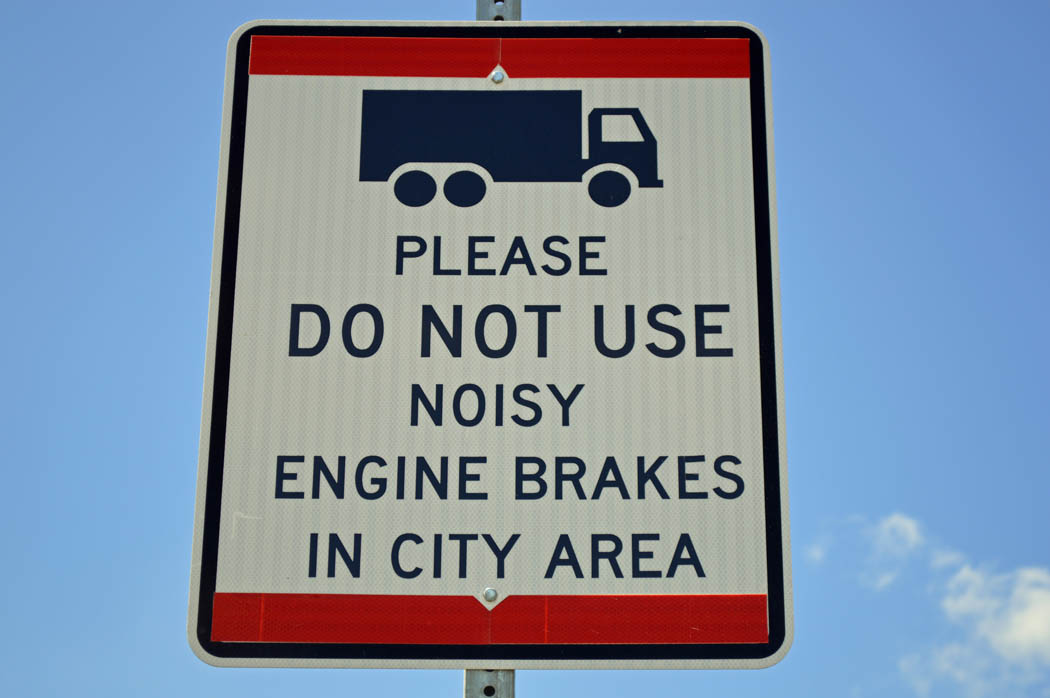
Some cities restrict engine brake use due to noise, so always watch for posted signs.
Control Your Speed on Downgrades
Runaway trucks can be avoided with proper downhill control. Safe downhill driving includes:
* Selecting the proper gear before starting downhill
* Using the same gear you’d use to climb the hill (general rule)
* Using engine braking to maintain a safe speed
* Applying controlled, intermittent braking if needed
Never rely solely on service brakes going downhill—this can cause brake fade due to overheating.
Understand Brake Fade and Failure
Brake fade happens when brakes overheat and lose effectiveness. Warning signs include reduced stopping power, burning smell, and increased stopping distance.
"Riding the brakes” (keeping light pressure on continuously) is one of the most common mistakes new drivers make. Instead use snub braking (apply firm pressure, then release) and let brakes cool between applications. This prevents overheating and extends brake life.
Using proper braking techniques should prevent brake fade, but if your brakes do fail:
- Use a runaway truck ramp if available
- Downshift and use engine braking
- Apply steady pressure—don’t pump excessively
Watch Your Air Pressure at All Times
Your air gauge is one of your most important instruments. If pressure drops too low:
* Warning systems activate around 60 psi
* Spring brakes may automatically engage around 20–40 psi
Never continue driving with low air pressure—it’s unsafe and can result in an out-of-service violation.
Air brakes are one of the most tested—and most failed—sections of the CDL exam. If you’re looking to start a CDL career, learning air brakes the right way is one of the most important steps you’ll take. Taking the time to follow these pro tips will help you to have fewer violations, have better job opportunities, drive safely, and give you more confidence behind the wheel.
At CDL Direct, we don’t just prepare you to pass the exam. Our course is designed to prepare you for real-world situations—inspections, roadside stops, accidents, and the decisions and driving techniques that protect your livelihood.