January Is National Human Trafficking Awareness Month — How Can Drivers Help?
January Is National Human Trafficking Awareness Month — How Can Drivers Help?
Each January, communities across the United States recognize National Human Trafficking Awareness Month. Since 2010, this observance has encouraged individuals, organizations, and industries to learn how to recognize and respond to human trafficking.
Understanding the Scope of Human Trafficking
Human trafficking is a crime in which individuals are exploited for labor or commercial sex through force, fraud, or coercion. It can happen anywhere: in cities, suburbs, rural towns, and along highways—often in places that don’t immediately raise alarms.
According to the National Human Trafficking Hotline, since its inception, the hotline has identified over 112,000 potential trafficking situations involving more than 218,000 victims across the U.S. In 2024 alone, nearly 32,000 signals were received, and nearly 12,000 cases were identified involving over 21,000 victims.
These numbers only reflect reported situations. Many experts agree that human trafficking is substantially underreported due to victims’ fear, isolation, language barriers, or lack of access to help.
What Should You Watch For?
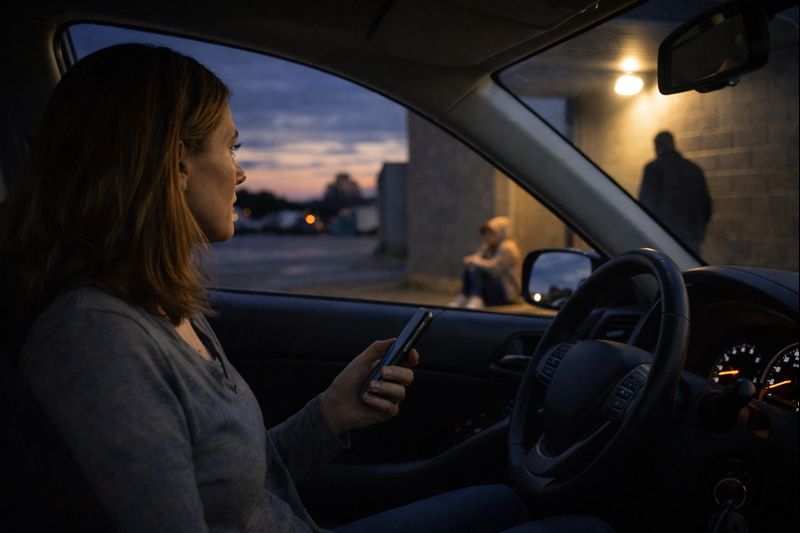
As a driver, you briefly interact with many other drivers and their passengers. Your eyes and ears on the highways position you well to spot and report suspicious situations. While no single sign confirms trafficking, patterns that may raise concern include:
- Individuals who seem controlled — unable to speak for themselves, always accompanied by someone else, or fearful of authority.
- Signs of physical restraint, malnourishment, or poor living conditions.
- Frequent movement between locations at irregular hours.
- Groups of people who seem isolated, withdrawn, or lacking personal possessions.
- Vehicles or homes where people come and go on a tight schedule, especially at night.
How Can You Report What You See?
If you suspect human trafficking, it’s important to report it to trained professionals. Do not attempt to intervene directly.
- Call the National Human Trafficking Hotline at 1-888-373-7888 or text HELP or INFO to 233733. This hotline operates 24/7, in over 200 languages, and can connect you with resources or relay information to law enforcement if appropriate.
- Call 911 if someone appears to be in immediate danger.
- You may also contact local law enforcement or the Homeland Security Investigations (HSI) Tip Line at 1-866-DHS-2-ICE (866-347-2423).
Potential trafficking situations are evaluated by trained responders who can take appropriate action while protecting victims and bystanders.
Your Compassion Matters
Human trafficking robs individuals of dignity, freedom, and safety— often in plain sight. Every person who speaks up, learns the signs, and shares their awareness brings us closer to dismantling exploitation and bringing justice to survivors. Act with courage when something doesn’t feel right.
At NHSA, our, our goal is to provide online driver education courses that equip all drivers with what they need to be safe drivers. Whether you are a teen seeking a learner’s permit, or an adult driver seeking a basic driver safety course, check us out online to see what courses are available in your state!