What Happens if a CDL Driver Gets a Traffic Ticket?
What Happens if a CDL Driver Gets a Traffic Ticket?
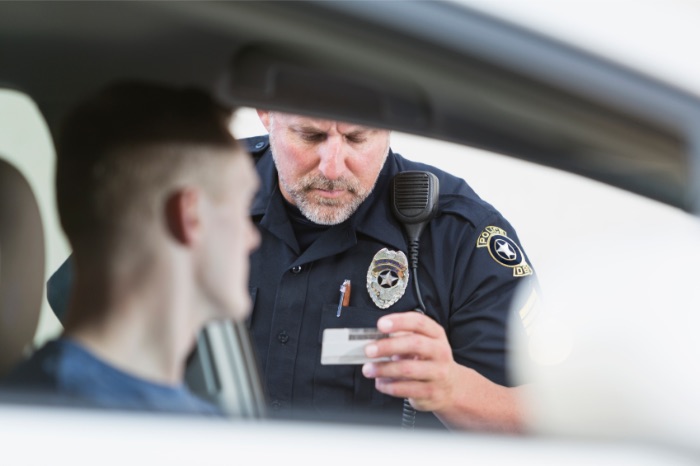
You’re cruising down the highway when you hear it—the siren. Your stomach drops. Then the next thought hits even harder: Will this mess up my CDL or my job? Whether you’re driving your rig or your personal vehicle, traffic tickets matter more when you hold a CDL. Carriers, insurers, and regulators are watching records closely—and even “minor” violations can snowball fast. Here’s what every CDL holder needs to know about traffic tickets.
Yes—Tickets in Your Personal Vehicle Can Affect Your CDL
This surprises many drivers, but this is because CDL holders are held to higher federal standards at all times, not just when driving a commercial vehicle. Here are a few key reality checks:
- Traffic convictions (not just tickets) are reported to the CDL Information System (CDLIS).
- You cannot drive a CMV if your regular driver’s license is suspended, even temporarily.
- Insurance premiums often rise after violations—sometimes sharply.
- Multiple small violations can lead to major consequences, including job loss or disqualification.
Paying a ticket just to “get it over with” may feel easier—but it can permanently damage your record.
Federal Rules Matter More Than State Lines
CDL drivers fall under Federal Motor Carrier Safety Administration (FMCSA) regulations, not just state traffic laws. That means:
- Convictions follow you across state lines.
- Employers and insurers can see them.
- Violations can impact your PSP (Pre-Employment Screening Program) record and CSA scores.
- There’s also a strict federal rule against “masking” violations—courts are not allowed to hide or reduce CDL convictions in ways that keep them off your record.
Serious Violations That Can Suspend or End a CDL Career
Some violations can trigger immediate suspension or disqualification, even on a first offense:
- DUI - 0.04% BAC in a commercial vehicle or 0.08% BAC in a personal vehicle (still CDL-impacting)
- Leaving the scene of an accident
- Using a CMV to commit a felony (can result in a lifetime CDL ban)
- Reckless driving
- Excessive speeding (typically 15+ mph over the limit)
- Driving a CMV while your license is suspended
These violations can cost you your CDL, your job, and future employment opportunities.
What You’re Required to Do After a Ticket
FMCSA rules require you, as a CDL holder, to notify your employer within 30 days of any traffic conviction (excluding parking tickets) and allow the violation to be recorded by your state’s licensing agency. Take note that ignoring court dates, paperwork, or orders can make things far worse—including license suspension or arrest warrants.
Should You Fight a Ticket?
For CDL drivers, traffic tickets are never “just a ticket.” Even if you can afford the fine, keep in mind paying the ticket usually means accepting the conviction. Convictions impact your CDL record, CSA score, and employability. Therefore, many drivers consult a traffic or CDL-experienced attorney to reduce or dismiss charges. This can feel expensive upfront—but protecting your CDL can save your career. Staying informed, responding quickly, and handling violations the right way can make the difference between a small setback and a major derailment. A clean record is one of your most valuable assets in trucking.
At CDL Direct, we don’t just help you meet federal Entry Level Driver Training (ELDT) requirements—we prepare you for the real-world responsibilities of holding a CDL, including compliance, safety, and protecting your driving record.