Ups and Downs: 10 Tips for Driving in the Mountains
Ups and Downs: 10 Tips for Driving in the Mountains
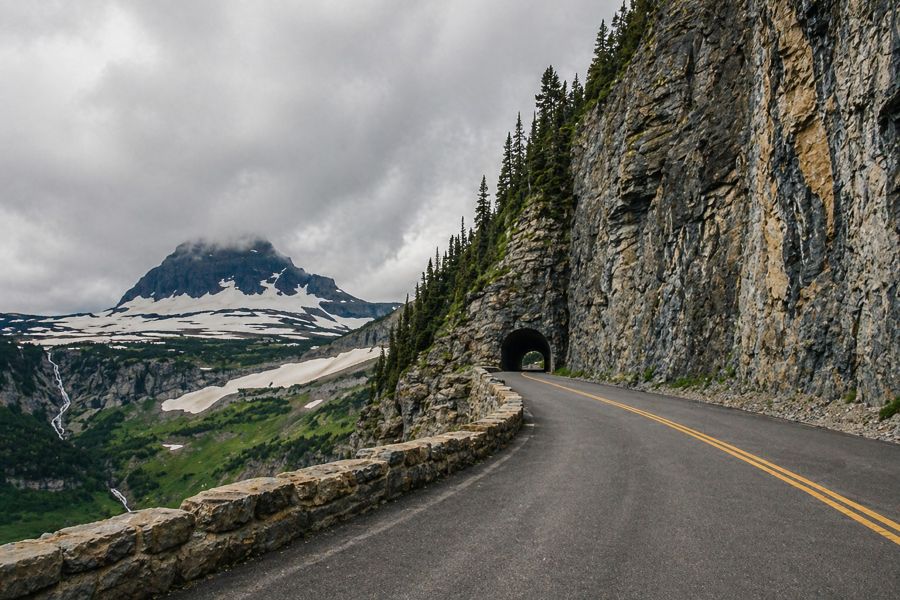
Snow-covered peaks! Crystal blue alpine lakes! Cascading waterfalls! Driving in the mountains can be breathtaking—but it also demands extra attention, patience, and skill. Here’s a practical, easy-to-follow guide to help you stay safe and confident on those winding roads.
1. Slow Down
Mountain roads often have sharp curves, steep grades, and limited visibility. Even if the speed limit seems reasonable, reduce your speed to match the road conditions. If the road looks like a roller coaster, don’t drive it like one.
2. Master the Curves
- Brake before entering a curve, not while you are in the curve.
- Look through (past) the turn to where you want the car to go.
- Stay in your lane—hugging the center line can be dangerous.
3. Use Lower Gears on Descents
Riding your brakes downhill can overheat them and reduce stopping power. Shift to a lower gear by shifting from “D” to “3” or “2” gear; this will help your engine to control the speed of your vehicle.
4. Don’t Speed Up When You Are Going Uphill
Steep climbs require steady acceleration—not aggressive speeding. Press the gas smoothly to maintain traction and control.
5. Watch for Changing Conditions
Mountain weather can shift fast:
- Fog can reduce visibility in seconds.
- Rain or snow makes roads slick.
- Falling rocks or debris may appear unexpectedly.
6. Keep a Safe Following Distance
Give yourself extra space between you and the car ahead—especially on steep slopes when it takes longer to stop.
7. Use Escape Ramps (Runaway Truck Ramps) When Needed
They’re not just for trucks—they’re your “plan B” if things get a little too exciting. If vehicles are piling up behind you or you are feeling like your vehicle is getting out of control, pull over at a designated runaway truck ramp and let the traffic pass. It keeps traffic flowing, reduces stress and can prevent accidents.
Yes. Any vehicle experiencing brake failure or unable to slow down on a steep grade can—and should—use a runaway truck ramp to avoid a crash.
8. Use Headlights Wisely
Keep your headlights on in fog, rain, or tunnels—even during the day—so others can see you more clearly.
9. Be on the Lookout for Wildlife
Animals like deer can suddenly cross the road, especially at dawn or dusk. Stay alert and scan the roadside.
10. Check Your Vehicle Before You Go
- Are your brakes in good condition?
- Are the tires properly inflated with good tread?
- Do you have a full tank of gas (stations can be far apart)?
Mountain driving isn’t about rushing—it’s about control, awareness, and enjoying the journey safely. Take your time, stay calm, and let the road guide you and your passengers safely.
At NHSA, our goal is to provide online driver education courses that equip all drivers with what they need to be safe drivers. Whether you are a teen seeking a learner’s permit, or an adult driver seeking a basic driver safety course, check us out online to see what courses are available in your state!