Pro Tips for Securing Cargo on a Big Rig
Pro Tips for Securing Cargo on a Big Rig
Have you ever been driving on the highway behind a big rig? Sometimes, if the cargo looks loose or begins to fly off the truck, it can be scary to drive near them. Loose cargo can easily lead to a cracked windshield, accidents, serious injuries, or even fatalities. For this reason, cargo securement violations can result in roadside citations and out-of-service orders. No matter what you're hauling, properly securing cargo is one of the most important responsibilities of a professional CDL driver. Here are some pro tips to avoid being that big rig everyone is dancing around on the road.
The Driver Is Responsible
FMCSA cargo securement rules say: The driver is ultimately responsible for ensuring cargo is properly distributed and adequately secured before operating the vehicle. Even if a shipper, warehouse staff, or another driver helped you load, secure, or hook up the trailer, you can still be held responsible for cargo securement violations if the load is unsafe.
As the responsible party, always conduct a thorough pre-trip Inspection. Pre-trip inspections include checking: tie-downs, chains, straps, binders, anchor points, trailer floor condition, blocking and bracing, and cargo placement. Look for: frayed straps, bent hooks, damaged chains, loose securement devices, and shifting cargo. A five-minute inspection can prevent a securement violation or major accident.
Protect Yourself While Securing Cargo
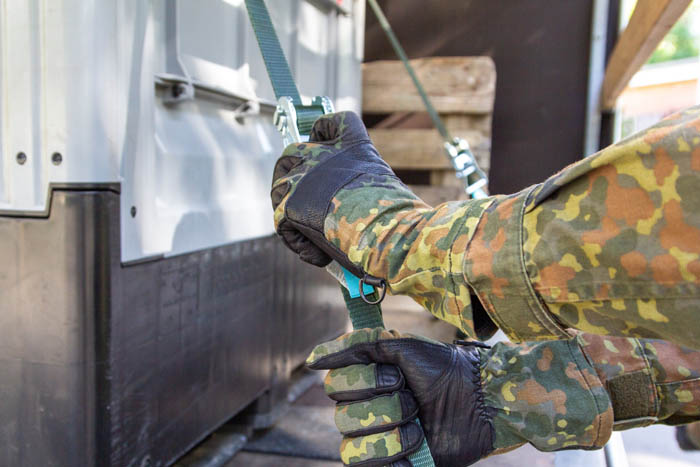
Many cargo-related injuries happen while drivers are outside the truck and working to secure cargo. To keep yourself and others safe, always: wear gloves when handling chains and straps, use proper lifting techniques, maintain three points of contact when climbing, watch for slips, trips, and falls, and stay clear of suspended loads.
The pressure to stay on schedule can tempt drivers to cut corners while securing cargo, but don't do it! Taking just a few extra minutes to confirm load stability can save lives.
Understand Weight Distribution
Proper weight distribution is just as important as securing the load. A balanced load improves both safety and fuel efficiency. On the other hand, a poorly distributed cargo can make steering more dangerous, increase the sway of the truck, increase stopping distance, lead to rollovers, and create axle-weight violations. To avoid any problems, always pay close attention to tandem positions, drive axle weights, trailer axle weights, and gross vehicle weight limits before getting on the road.
Many modern fleets now use trailer sensors, cargo monitoring systems, telematics, and electronic inspection tools. While technology is helpful, it does not replace a driver's visual inspection and judgment.
Follow the FMCSA Cargo Securement Rules
Different cargo types often require different securement methods. The FMCSA has specific securement requirements for: logs, steel coils, machinery, heavy equipment, concrete pipe, automobiles, lumber, and intermodal containers. Generally, cargo must be:
* Immobilized
* Contained
* Secured against shifting
* Protected from falling from the vehicle
A big part of cargo securement is using the correct number of tie-downs. You do not need to use a crazy amount, but you do need to make sure you have enough for the cargo you are carrying. For example, articles five feet or shorter and weighing more than 1,100 pounds generally require at least two tie-downs. Longer cargo typically requires additional securement.
Knowing the specific FMCSA minimum securement requirements for your load based on cargo weight, length, and type is a major part of cargo securement.
Recheck Your Load During the Trip
Many new drivers don't realize that federal regulations require cargo securement checks even after beginning a trip. This is because loads can settle, straps can loosen, and road vibration can shift freight. Drivers generally must:
* Inspect cargo and securement devices within the first 50 miles
* Reexamine cargo whenever there is a change of duty status
* Reinspect after every 3 hours of driving, 150 miles traveled, or at the next practical opportunity
Rain, snow, ice, and high winds can affect cargo securement, so inspect securement equipment more frequently during adverse weather conditions.
At CDL Direct, we don’t just prepare you to pass the exam. Our course is designed to prepare you for real-world situations—inspections, roadside stops, accidents, and the decisions and driving techniques that protect your livelihood.