CDL Direct Blog
Blog posts of '2026' 'September'

OTR Drivers – How to Combat Driver Fatigue
Long hours, changing schedules, nighttime driving, and life on the road can make fatigue one of an OTR driver's biggest challenges. Knowing how to recognize fatigue and what to do about it is an essential part of being a safe and professional CDL driver. The goal isn't to find a trick that lets you drive while tired, but to get enough rest so you can drive safely. Here are some practical tips to stay sharp on the road.
1. Start With Quality Sleep
The best defense against fatigue is getting enough sleep before you drive. FMCSA notes that drivers are naturally more prone to drowsiness during certain times of the day, particularly from midnight to 6 a.m. and from 2 p.m. to 4 p.m. When possible, plan your schedule around your body's natural sleep cycle.
Pro Tip: Make your sleeper as comfortable and dark as possible, maintain a consistent sleep schedule when your work allows, and avoid sacrificing sleep just to make up miles.
2. Follow Your Hours of Service Rules
The Hours-of-Service (HOS) rules are designed in part to help prevent fatigued driving. For most property-carrying drivers, federal rules generally allow up to 11 hours of driving after 10 consecutive hours off duty, within a 14-consecutive-hour driving window. Drivers must also take a 30-minute break after 8 cumulative hours of driving if they have not had at least a 30-minute interruption from driving.
Pro Tip: Your ELD helps track your duty status, but it can't tell you when you're too tired to drive. If you're struggling to stay awake, don't try to "beat the clock." Find a safe place to stop and rest.
3. Use Breaks to Actually Recover
Fatigue doesn't always begin with falling asleep. Watch for frequent yawning, heavy eyelids, difficulty focusing, wandering thoughts, slower reactions, or drifting within your lane. FMCSA warns that fatigue can reduce attention, reaction time, judgment, and awareness, so it’s important to take these warning signs seriously. Experienced drivers often recommend using breaks to get out of the cab, stretch your legs, walk around, eat something light, and reset before continuing.
Pro Tip: If you're genuinely sleepy, a nap is one of the most useful tools available. Keep in mind that you may experience “sleep inertia,” or temporary grogginess, after waking. FMCSA recommends allowing time to become fully alert before getting back behind the wheel.
4. Learn From Drivers Who Do This Every Day
Experienced OTR drivers develop routines that help them recognize when they're reaching their limits. Common suggestions from include planning sleep around the shift you'll actually be driving, combining fuel and meal stops with short breaks, keeping healthy snacks and water available, and pulling over when fatigue starts affecting concentration.
5. Don't Depend on "Wake-Up Tricks"
Cold air, energy drinks, opening the window, or turning up the radio may make you feel more stimulated temporarily, but they don't replace adequate sleep. If you're fighting to keep your eyes open, the safest solution is to stop driving and rest.
6. Watch for Medications That Cause Drowsiness
Some prescription and over-the-counter medications can make you sleepy or affect your ability to drive safely. Cold and allergy medications are common examples. Read medication warnings carefully and talk with your healthcare provider or pharmacist if you're unsure how a medication may affect your driving.
Pro Tip: “Over the counter” doesn't automatically mean “safe behind the wheel.” Check the label before taking a medication when you know you'll be driving.
At CDL Direct, we don’t just prepare you to pass the exam. Our course is designed to prepare you for real-world situations—inspections, roadside stops, crashes, and the decisions and driving techniques that protect your livelihood.
OTR Drivers – Adapting to Changing Laws Along Your Route
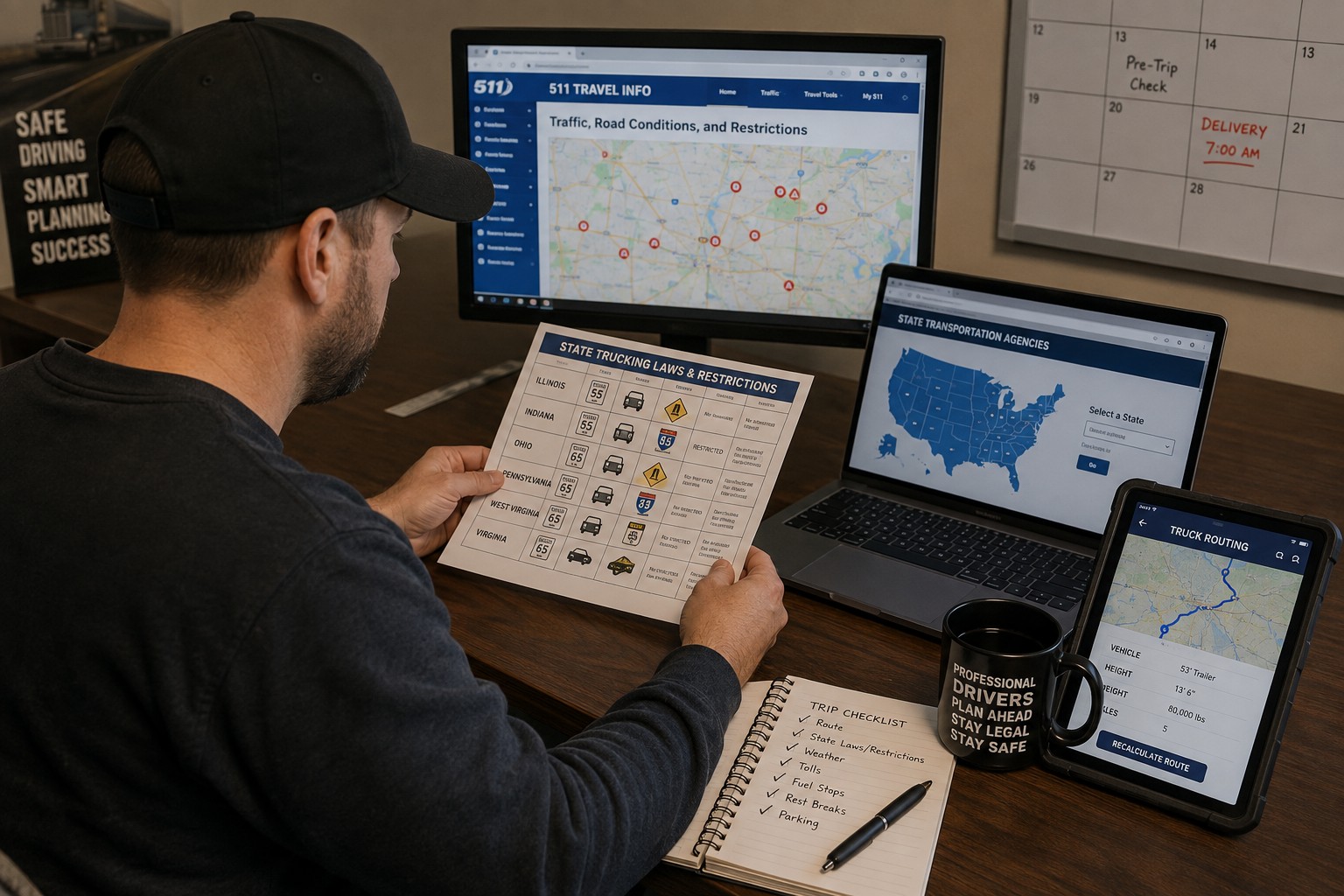
Crossing state lines means more than watching the scenery change. It can also mean adapting to different laws, restrictions, and operating requirements. For OTR drivers, planning a trip isn't just about choosing the fastest route. It's about knowing what rules may affect your truck before you enter the next state. From truck routes restrictions, permits, and speed limits to size restrictions and temporary weather requirements, professional drivers need to stay informed and ready to adjust. Here are some tips to help you stay ahead of the changes.
1. Research Your Route Before You Leave
Federal regulations create nationwide standards, but states and local jurisdictions can have additional rules that affect how and where commercial vehicles operate. A route that is legal for your truck in one state may have restrictions after you cross the next state line. Before starting an OTR trip, review every state and major jurisdiction along your planned route. Look for rules and restrictions that could affect your truck, trailer, or cargo. If an FMCSA regulation establishes a higher standard, the federal requirement applies.
Pay attention to:
* Truck-specific speed limits
* Restricted truck routes
* Height, weight, and size restrictions
* Low-clearance roads and bridges
* Toll requirements
* Seasonal or weather-related restrictions
* Temporary road closures and construction restrictions
Pro Tip: Develop the habit of checking the rules that apply to your specific trip before you travel.
2. Check for Changes Before and During the Trip
Rules and restrictions aren't always permanent. Construction, severe weather, emergencies, and seasonal conditions can change how commercial vehicles are allowed to travel. Check for updates before departure and continue monitoring conditions during a long trip. If your original route changes, check the new route before taking it. Don't assume a detour recommended by a regular GPS is appropriate for a tractor-trailer.
Pro Tip: Use reliable sources such as your carrier, dispatcher, commercial navigation system, and official state transportation or enforcement resources when checking restrictions.
3. Pay Attention to Signs Even When Your GPS Says Otherwise
Technology is an important planning tool, but it does not replace the driver's responsibility to follow applicable laws and posted restrictions. Watch for signs involving: height and clearance, weight limits, truck prohibitions, hazardous-material restrictions, chain or traction requirements, and lane restrictions.
Pro Tip: If a sign restricts your vehicle, don't assume your GPS knows better. Stop safely when necessary and contact your dispatcher or carrier for help planning a legal alternative.
4. Plan Enough Time to Stay Compliant
Changing laws and restrictions can mean changing your route, and changing your route can affect your schedule and available driving hours. Therefore, build extra time into your trip. A longer legal route is better than an illegal shortcut, and losing time is never a reason to speed or violate Hours-of-Service rules.
Pro Tip: Plan your route, fuel stops, breaks, and parking around your available HOS time. If changing conditions require a detour, reassess your plan before you run short on legal driving time.
5. Make Staying Informed Part of Being a Professional Driver
The best OTR drivers don't try to memorize every regulation in the country. They know how to find reliable information and when to check for updates. Before every trip, ask yourself: What states am I entering? What restrictions could affect my truck or cargo? Has anything changed since the route was planned?
Pro Tip: Remember FMCSA provides driver and carrier resources to help operators understand applicable federal safety requirements, while state agencies maintain their own state-specific transportation and licensing information.
At CDL Direct, we don’t just prepare you to pass the exam. Our course is designed to prepare you for real-world situations—inspections, roadside stops, crashes, and the decisions and driving techniques that protect your livelihood.