The Last Mile: Why Delivery Sites Demand Your Full Attention
The Last Mile: Why Delivery Sites Demand Your Full Attention
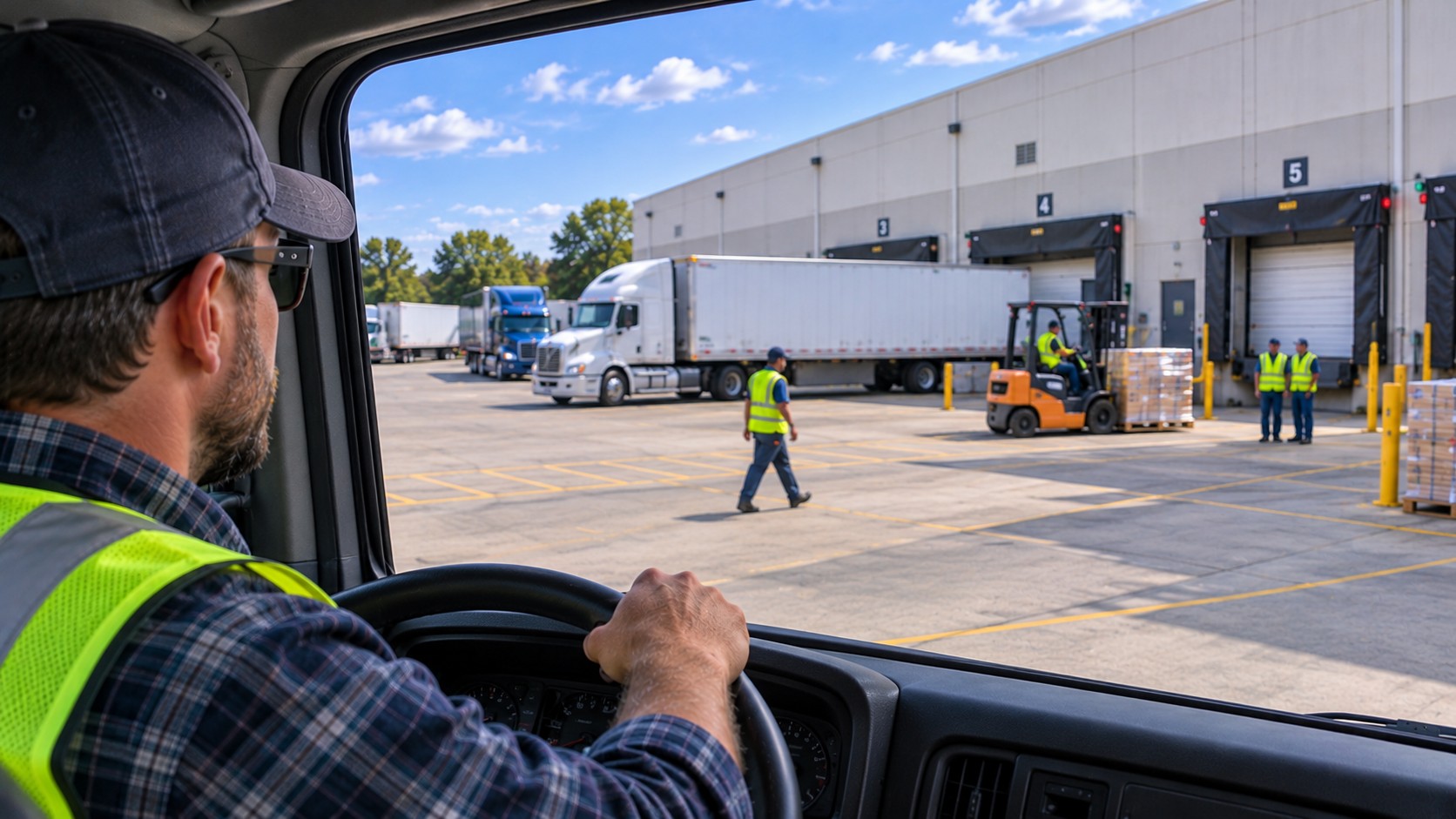
It may feel as if your job is done once you’ve reached your delivery address, but a crowded loading dock, blind spots, tight spaces, pedestrians, moving forklifts, and unfamiliar property rules can make the delivery just as challenging as the miles that came before it. To keep everyone safe, here are some tips that give the last mile the patience, awareness, and good judgment it demands and requires.
1. Not Every Delivery Site Is the Same
- Look for posted truck entrances, speed limits, and delivery instructions.
- Confirm the correct dock, staging area, or unloading location.
- Watch for pedestrians, forklifts, yard trucks, and other moving equipment.
- Check for overhead obstacles, tight turns, low clearance, and uneven pavement.
- If you're unsure where to go, stop in a safe location and ask facility personnel.
Tip: Experienced drivers often recommend checking unfamiliar delivery locations before arrival using satellite views. Calling the receiver or asking dispatch about entrance locations and difficult docks can also prevent unnecessary maneuvering.
2. Slow Down when Backing Up
- Avoid backing whenever a safe, practical forward exit is available.
- Use the Get Out And Look (GOAL) method before backing when visibility or clearance is uncertain.
- Check both sides, the rear, overhead areas, and the vehicle's front swing.
- Use a spotter when available and appropriate. Agree on signals before moving.
- Stop immediately if you lose sight of your spotter or cannot clearly see the backing area.
- Don't let pressure from other drivers or dock workers rush your maneuver.
Tip: Sometimes the best move is to stop, reassess, and ask the facility for a safer solution rather than forcing a difficult maneuver.
3. Actively Watch the People Around You
- Use designated truck parking and staging areas.
- Follow facility instructions and posted safety rules. Never just assume someone sees your cab.
- Wear required high-visibility gear when working outside the cab.
- Stay clear of moving forklifts and loading equipment.
- Never walk behind a vehicle that is actively backing.
Tip: Drivers should follow facility safety procedures and never operate equipment they aren't trained and authorized to use.
4. Secure the Truck Before Loading or Unloading
- Set the parking brakes.
- Follow instructions for wheel chocks or trailer restraint systems.
- Shut down the engine when required.
- Follow dock light, loading, and release procedures.
- Keep clear of dock plates, forklifts, and moving freight.
Tip: Always follow your carrier's and the facility's instructions for securing your vehicle, and verify that the required safety measures are in place "before" loading or unloading begins.
5. Federal Rules That Apply to Arriving and Leaving a Delivery Site
- 49 CFR §392.2: Drivers must follow applicable state and local operating laws and regulations.
- 49 CFR §392.7: Drivers must be satisfied that required vehicle parts and accessories are in good working order before operating.
- 49 CFR §392.9: Drivers must ensure cargo is properly distributed and secured. Required cargo and securement-device inspections and rechecks also apply during transportation.
- 49 CFR §392.3: Drivers must not operate while fatigue, illness, or another condition makes driving unsafe.
Tip: Your carrier may also have additional procedures for customer properties, backing, loading docks, and reporting damage or unsafe conditions. It's important to follow those procedures as well.
At CDL Direct, we don’t just prepare you to pass the exam. Our course is designed to prepare you for real-world situations—inspections, roadside stops, accidents, and the decisions and driving techniques that protect your livelihood.